
““We knew that some things were theoretically possible, but there were other things that didn’t make a whole lot of sense—things like fitting the motor drive within everything else. Those were challenges we knew were possible but didn’t have the expertise to actually solve ourselves. That’s where it was really nice to work with SPARK.””
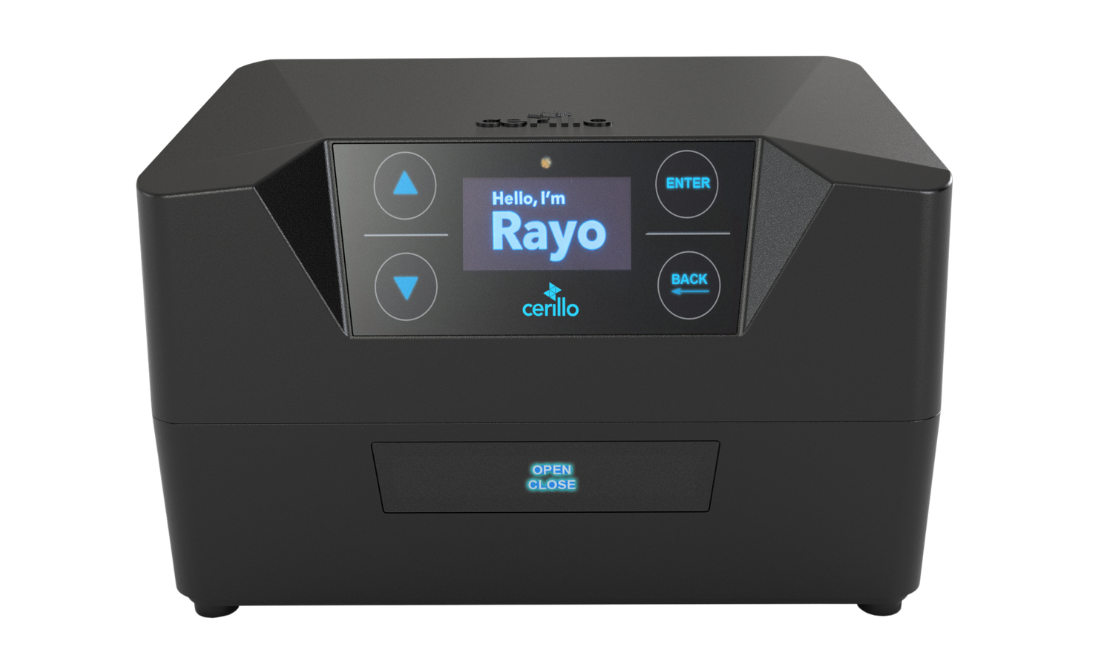
Cerillo RAYO
Laboratory Equipment Company
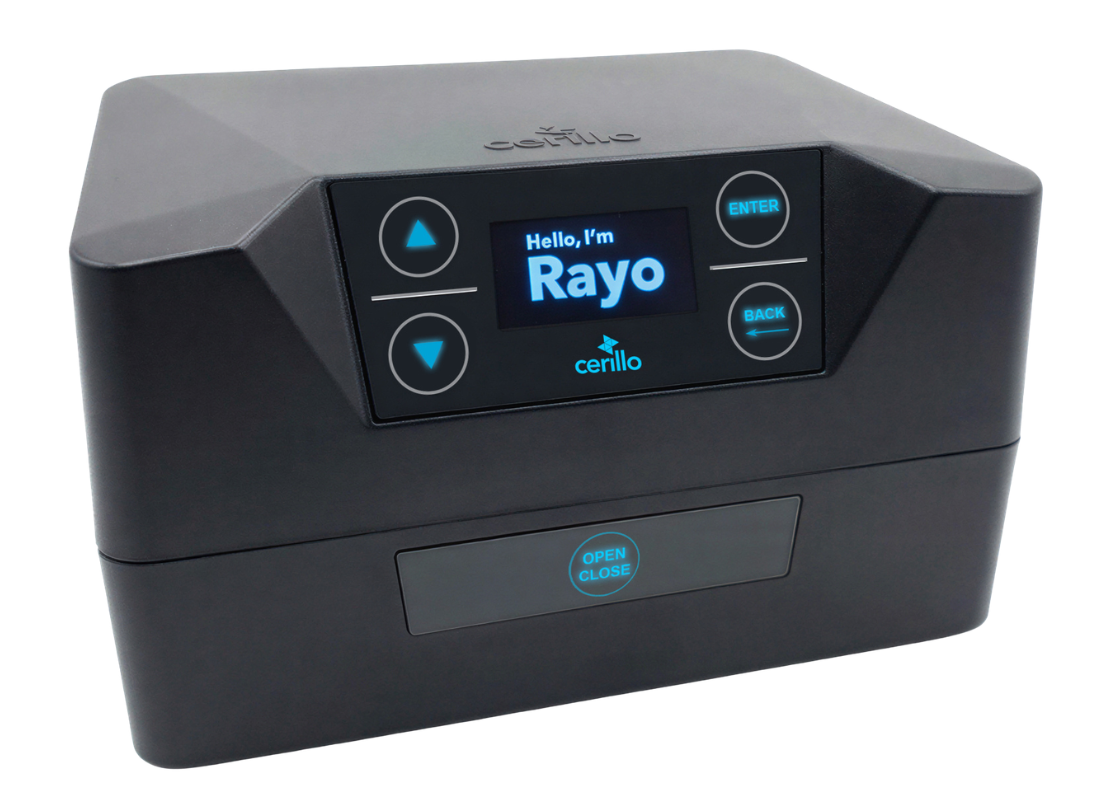
Cerillo develops lab equipment that lower the barrier to advanced microbial growth analysis. Their RAYO multiwavelength microplate reader is designed to support both standalone experiments and automated laboratory workflows, helping researchers reduce the cost and complexity traditionally associated with this type of instrumentation.
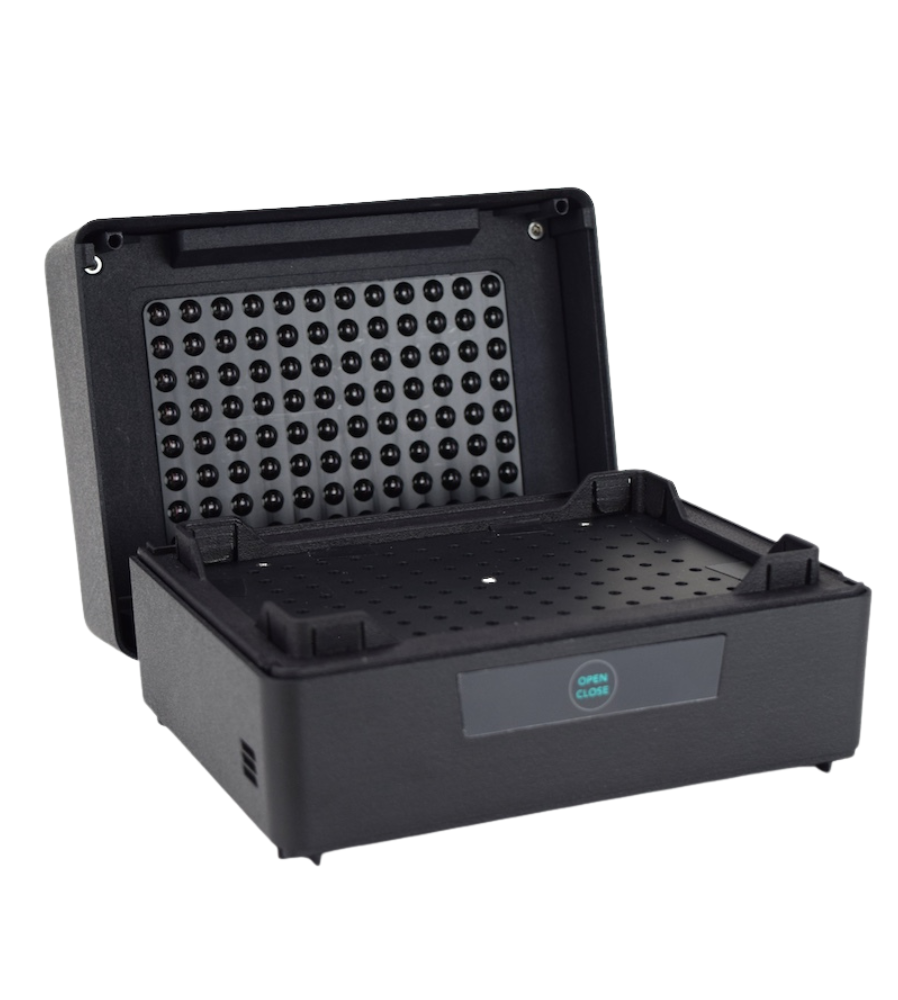
Rather than scanning each well individually, Cerillo's technology captures measurements across an entire 96-well plate at once, making experiments both faster and more efficient.
To help bring it to life, Cerillo turned to SPARK, a long-time design and engineering partner.
The Challenge
RAYO represented the next generation of Cerillo's platform, but the team's existing prototype wasn't yet able to meet the project's demanding constraints. To succeed, the new instrument needed to support automation, maintain optical precision, manage heat, and fit within a compact footprint, all while remaining commercially viable. Thermal management was especially critical: excess heat could create condensation that interfered with optical measurements, while even small temperature increases could influence cell growth itself.
Cerillo owned the optical path, core technology, and software. Noventus supported electrical engineering. SPARK led mechanical enclosure design and brought in thermal expert Tim Lucas to tackle heat management. Coordinating across these teams — while hitting tight cost targets and an accelerated timeline — was the central challenge.
The Solution
SPARK designed the mechanical architecture that tied Cerillo's optical, electrical, and thermal systems together inside a compact instrument.
Working closely with Cerillo, Noventus, and Tim Lucas, SPARK:
Developed the industrial design, including the screen angle, button layout, membrane switch, and other interface details to create a product that fit Cerillo's design language
Introduced usability improvements, including backlit buttons, to improve operation in laboratory environments
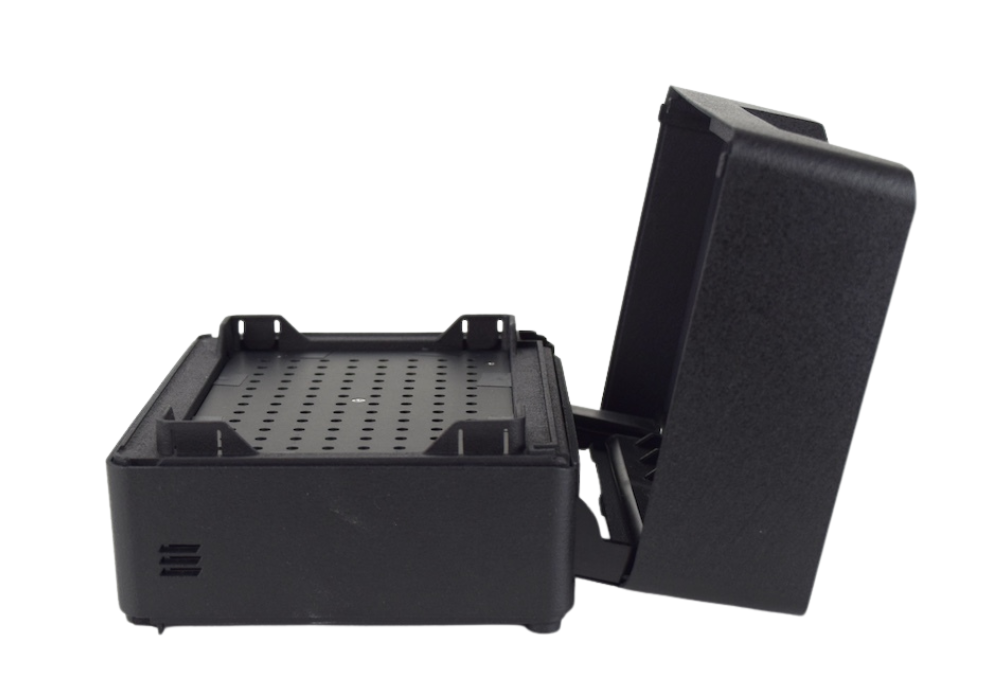
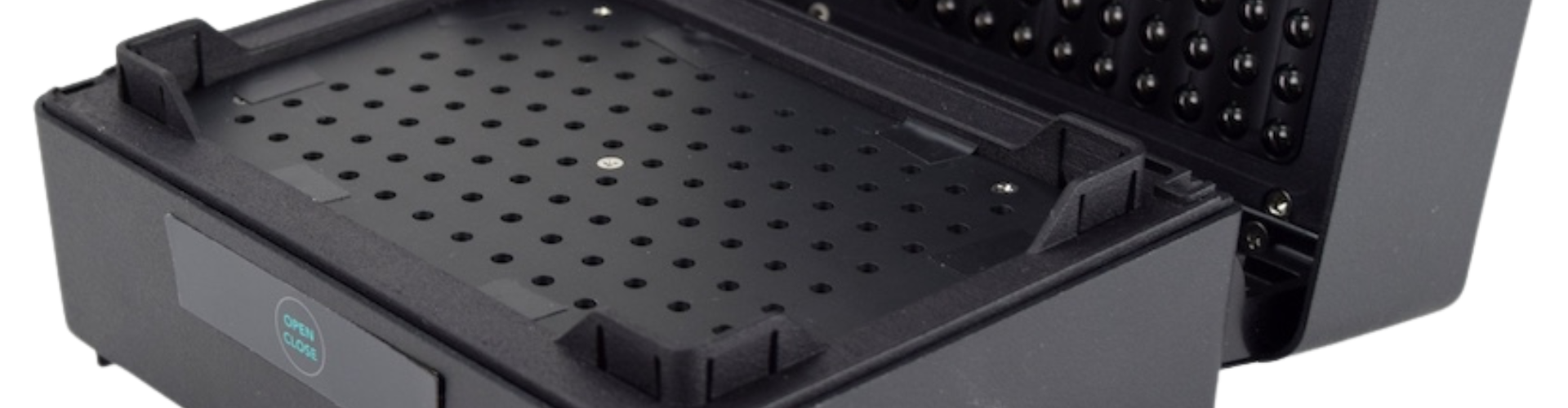
Designed the mechanical enclosure around Cerillo's optical path and internal electronics, including a motorized lid system for robotic plate loading
Integrated the optical, electrical, and mechanical systems within the instrument's compact footprint while supporting the alignment required for accurate measurements
Integrated thermal management strategies, including heat sink design, to control internal temperature
Designed for low-volume production in 3D-printed parts, with a clear path toward injection molding as volumes grow
SPARK was adaptable and flexible throughout the process, ensuring work was consistently moving forward while the full team collaborated to solve interdependent technical problems.
The Impact
Working with SPARK, Cerillo transformed its core technology into a viable beta instrument capable of meeting the project’s demanding mechanical and automation requirements, all on a significantly compressed timeline.
Delivered a next-generation, multiwavelength microplate reader designed for flexible assay use
Enabled automated workflows with robotic loading and automatic lid operation
Maintained optical precision while managing heat, condensation risk, and compact-space constraints
Reached a viable beta state on a timeline that required compressing stages that would not obviously compress
““The speed to tangible result is something you don’t see often with consultants.””
Why it matters
In laboratory equipment, the enclosure isn't simply a housing. It determines whether optics stay aligned, temperatures remain stable, automation functions reliably, and ultimately whether the science itself can be trusted.
For RAYO, the mechanical design had to support optical accuracy, thermal stability, automation, and future manufacturability all at once. SPARK helped bring those pieces together, turning a promising instrument into one that can perform reliably in real lab environments.
Shortly after RAYO launched, Cerillo was acquired by Hamilton, a global leader in laboratory automation. While many factors contributed to that milestone, RAYO represented an important step in expanding Cerillo's platform and demonstrating the company's vision for automated laboratory workflows.