

VCU – RARE Lab
““We had the research-informed prototype. SPARK helped us turn it into something we could share with the world.””
Academic Research Lab | Respiratory Health
The Respiratory Aerosol Research and Education (RARE) Lab at Virginia Commonwealth University is dedicated to improving respiratory health, with a special focus on the pediatric population. Led by Dr. Laleh Golshahi, the lab develops innovative testing platforms to advance aerosol drug delivery, simplify regulatory pathways, and improve real-world patient outcomes.
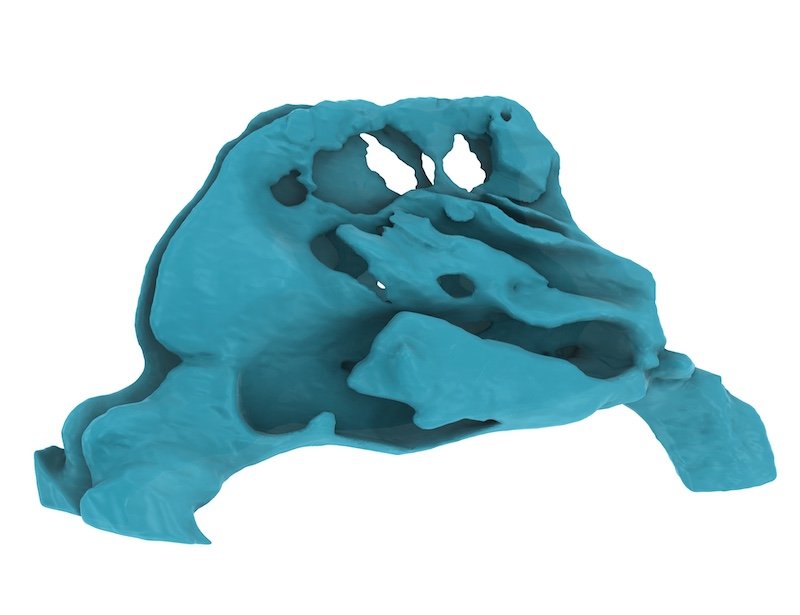
One of their most promising tools is a 3D-printed nasal cast platform: a series of anatomically accurate nasal passage models, built from real CT data, used to assess where and how nasal drugs are deposited in the body. The models allow researchers to generate high-quality in vitro data, benchmark performance, and streamline communications between pharmaceutical companies and regulatory bodies.
The Challenge
Regulatory agencies like the FDA currently use a weight-of-evidence approach to assess intranasal drug delivery, considering a mix of different types of data. The RARE Lab’s 3D-printed models offer a scientifically robust, reproducible tool to strengthen that case, especially for pediatric applications.
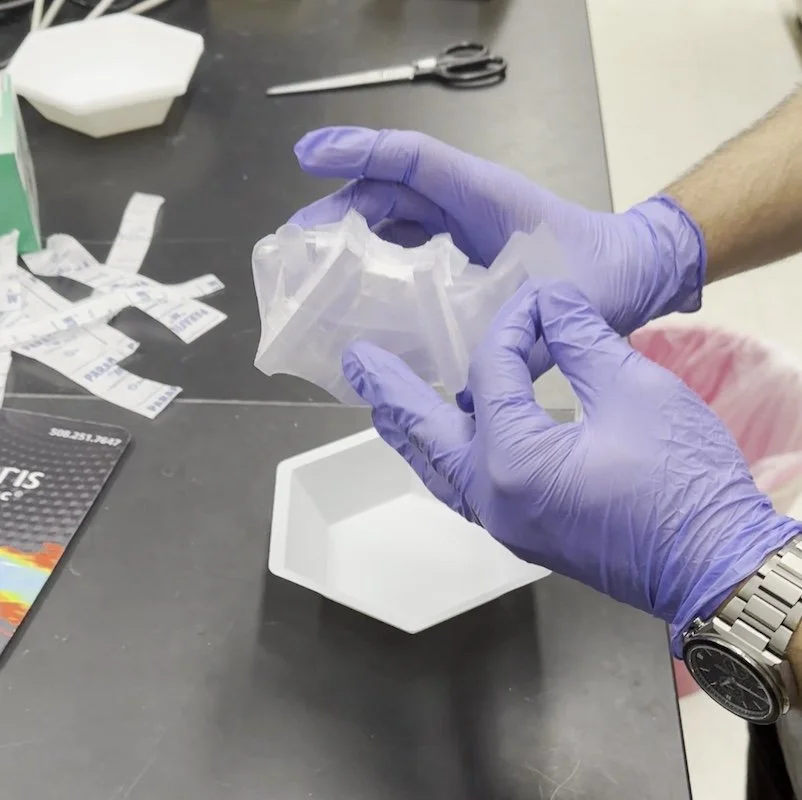
But their early prototypes weren’t easy to assemble or use. The test blocks had to be hand-held and sealed with plastic wrap, a fragile and inconsistent process that made repeatability and marketability a challenge.
As interest in the models grew from third parties, the RARE Lab needed a partner to help refine their tool into a repeatable, intuitive, and market-ready platform, without compromising scientific integrity.
The Solution
SPARK stepped in as a hands-on design and engineering partner, helping transform a fragile, lab-specific prototype into a reliable, repeatable, and professional testing system.
Working closely with Dr. Golshahi and PhD candidate Mohammad Hejazi, SPARK:
Analyzed the lab’s existing methodology and prototype to understand key requirements
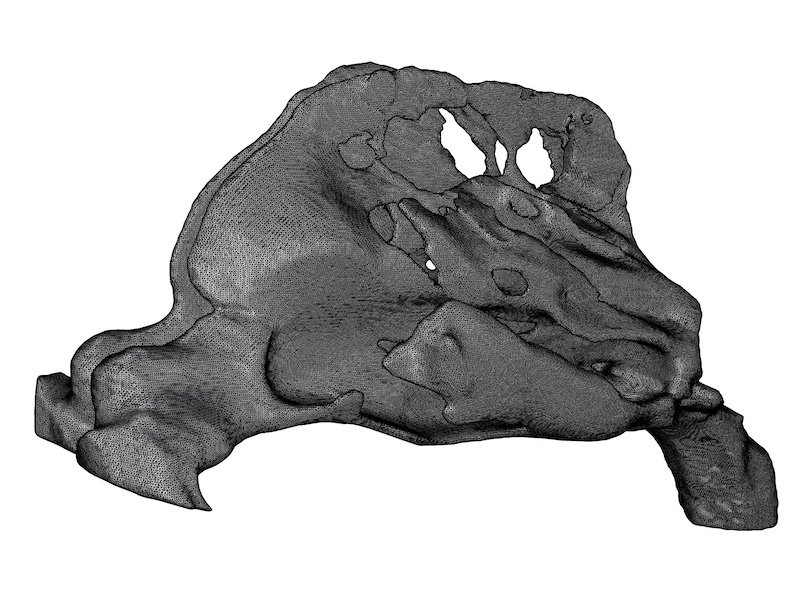
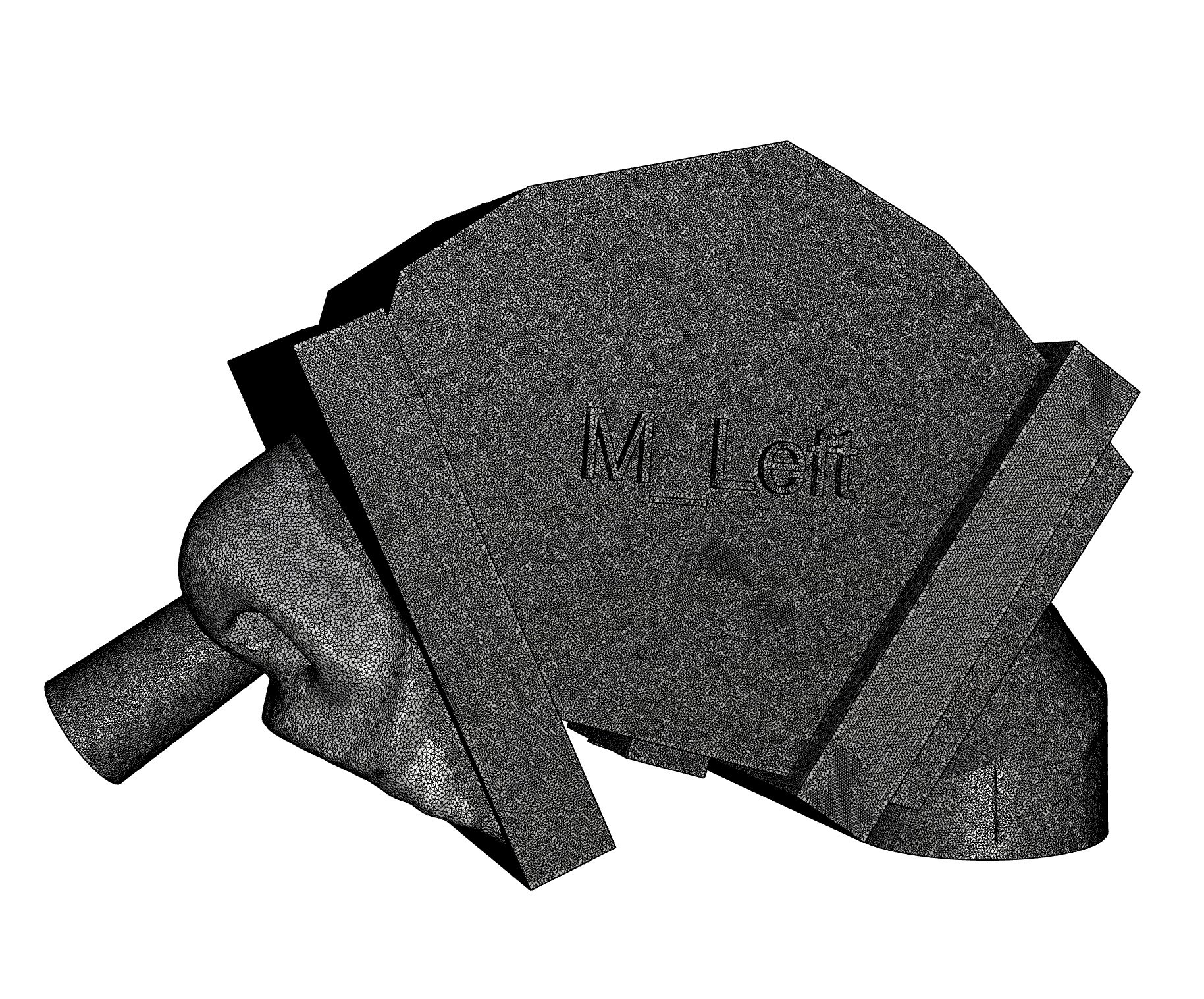
Processed raw STL geometry of the nasal passages using Rhino3D to create segmentable, usable 3D block files
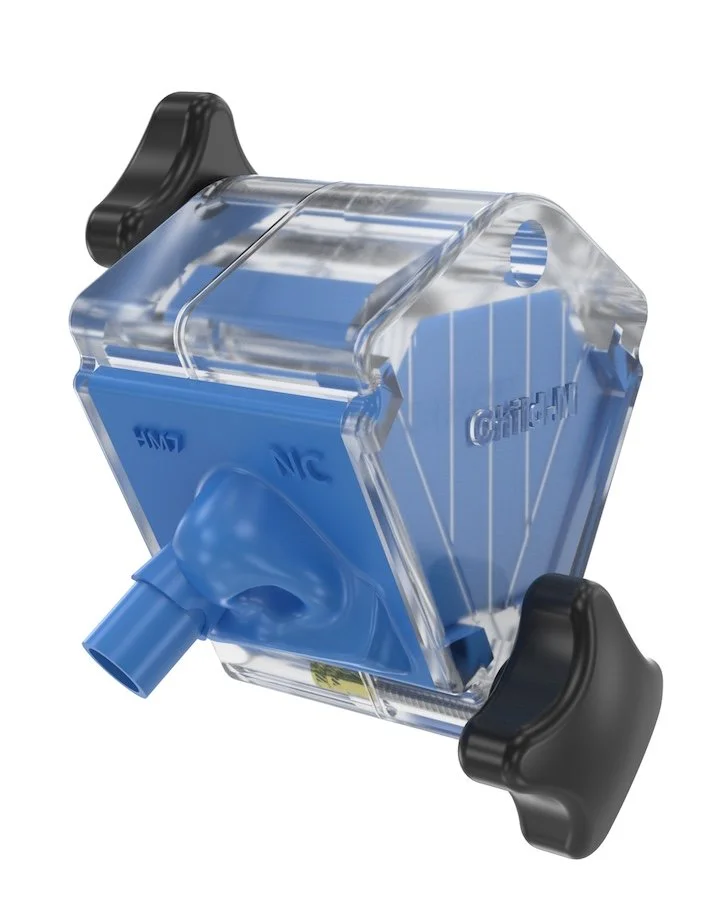
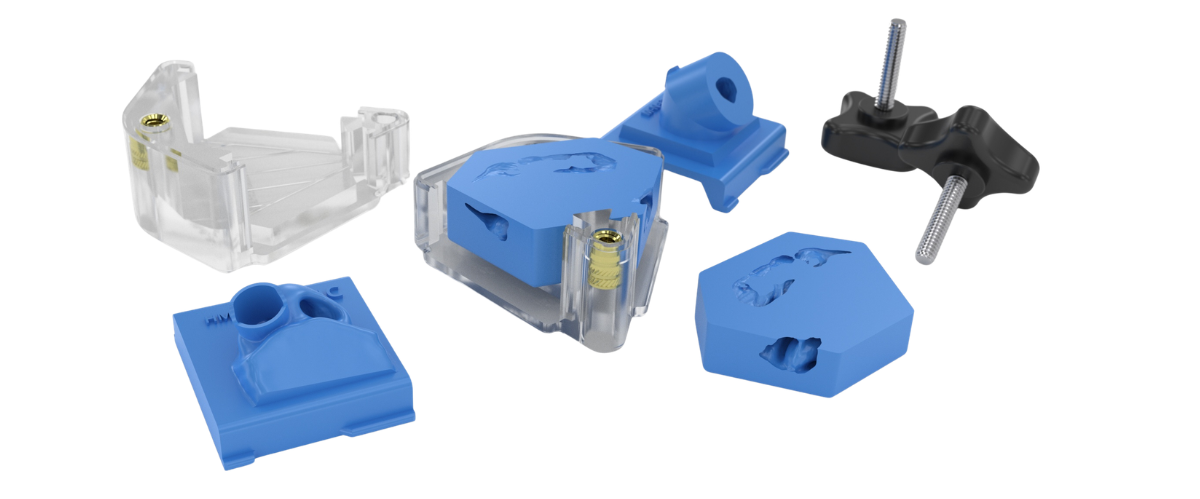
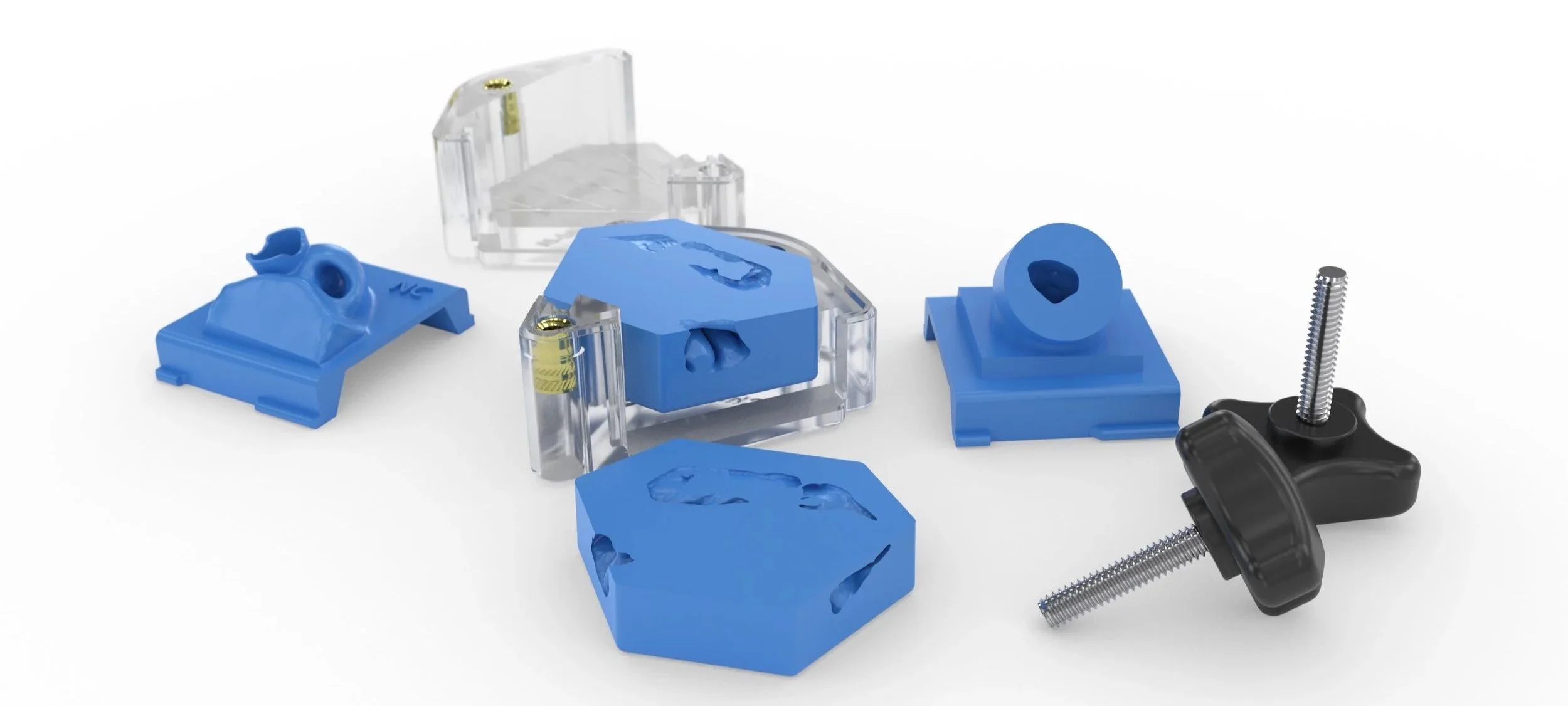
Designed a custom housing system to hold and seal the passage blocks securely, eliminating the need for hand-wrapping
Developed an intuitive mechanical clamping system that preserved model orientation and ensured repeatable results
Produced multiple box and insert sets to accommodate different models and age ranges
Selected transparent SLA 3D printing for efficient, cost-effective manufacturing and easier visualization during tests
Improved the system’s overall ergonomics, usability, and robustness for long-term, real-world use
SPARK’s team also provided critical project management support, balancing must-haves with good-to-haves and offering consultative guidance at each step of development.
““SPARK became problem-solvers and partners. They helped us identify what mattered most and how to design for it.””
The Impact
SPARK helped translate cutting-edge academic research into a functional design that could stand up to everyday lab use, and support commercial or regulatory adoption.
““This platform is now a springboard. We can use it to explore new indications, run targeted tests, and translate adult treatments to children and other vulnerable populations. That’s why we do this. To help make medicine safer, more precise, and more human.””
With support from SPARK, the RARE Lab was able to:
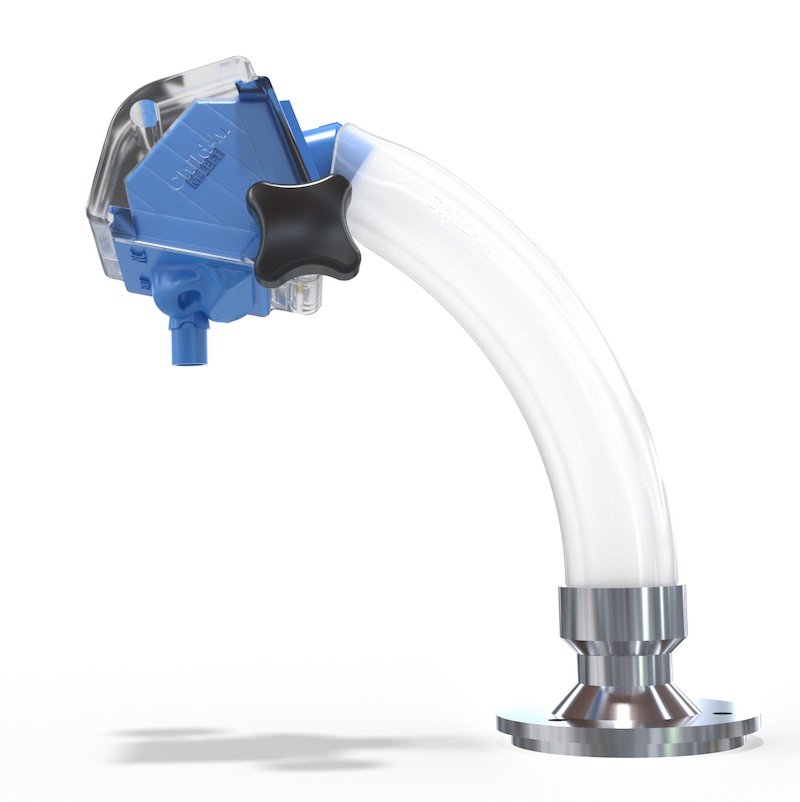
Replace a fragile, hand-assembled prototype with a reliable, consistent, and professional-grade testing tool
Improve testing reproducibility, enabling higher-quality data and analysis
Significantly reduce assembly time
Demonstrate progress to potential stakeholders, including regulatory bodies
Establish a strong foundation for commercialization and scale
Why it Matters
Even the most powerful science can stall if it isn’t accessible, scalable, or usable. SPARK helped bridge the divide between academic research and real-world application, enabling VCU’s RARE Lab to move from lab-specific prototypes to market-ready platforms.
By supporting the team through technical translation, CAD modeling, and product design, SPARK laid the foundation for broader adoption of this breakthrough platform; one that has the potential to improve respiratory treatment for some of the world’s most vulnerable patients.