

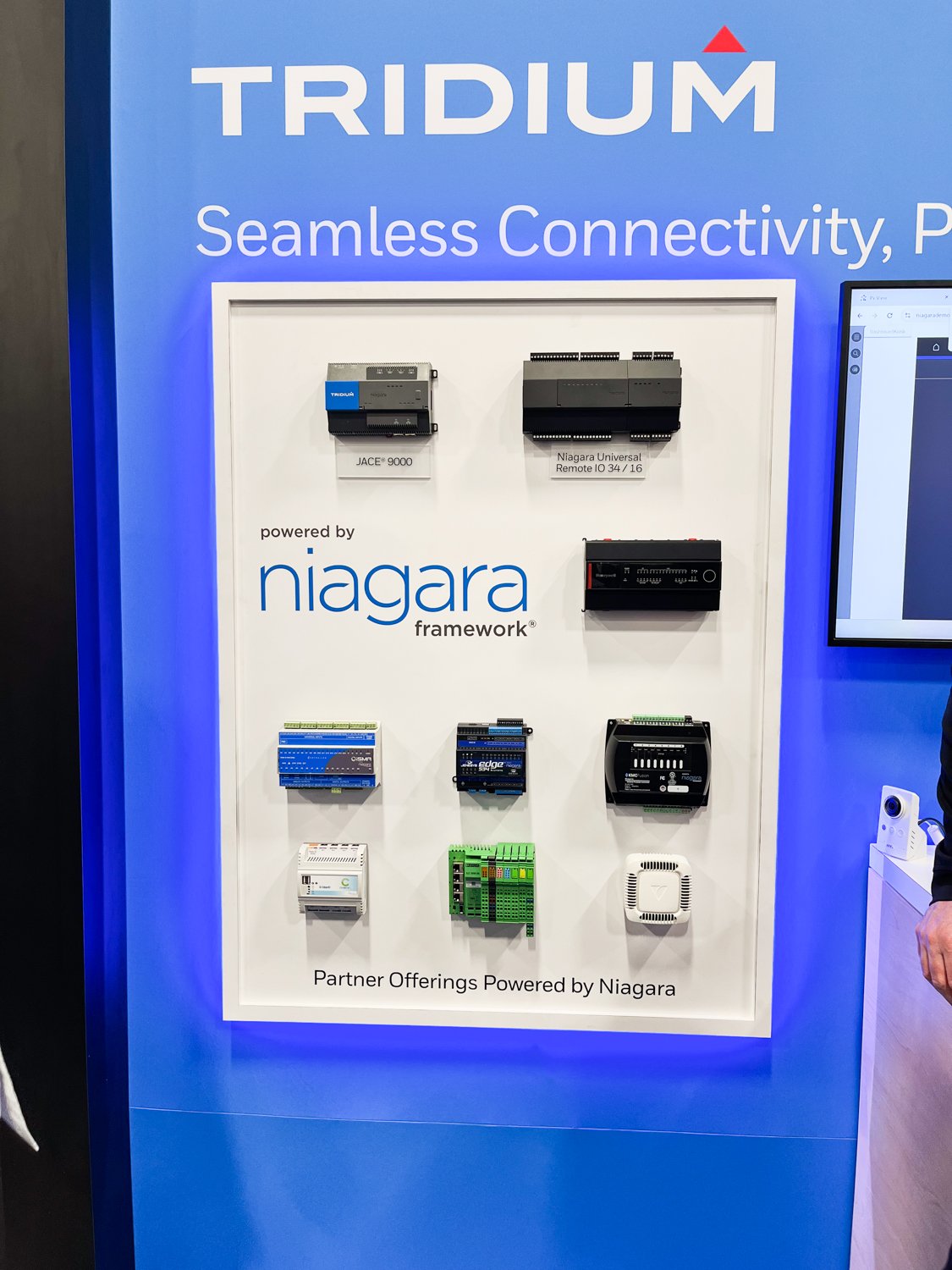
When SPARK first started working in building automation nearly 20 years ago, it wasn’t part of a master plan. Tridium was in our backyard, and one project led to another. Back then, we were enclosing hardware in sheet metal boxes. Over time, those products evolved into recognizable controllers like the JACE line.
So returning to AHR this year felt less like attending a trade show and more like revisiting a long-running conversation.
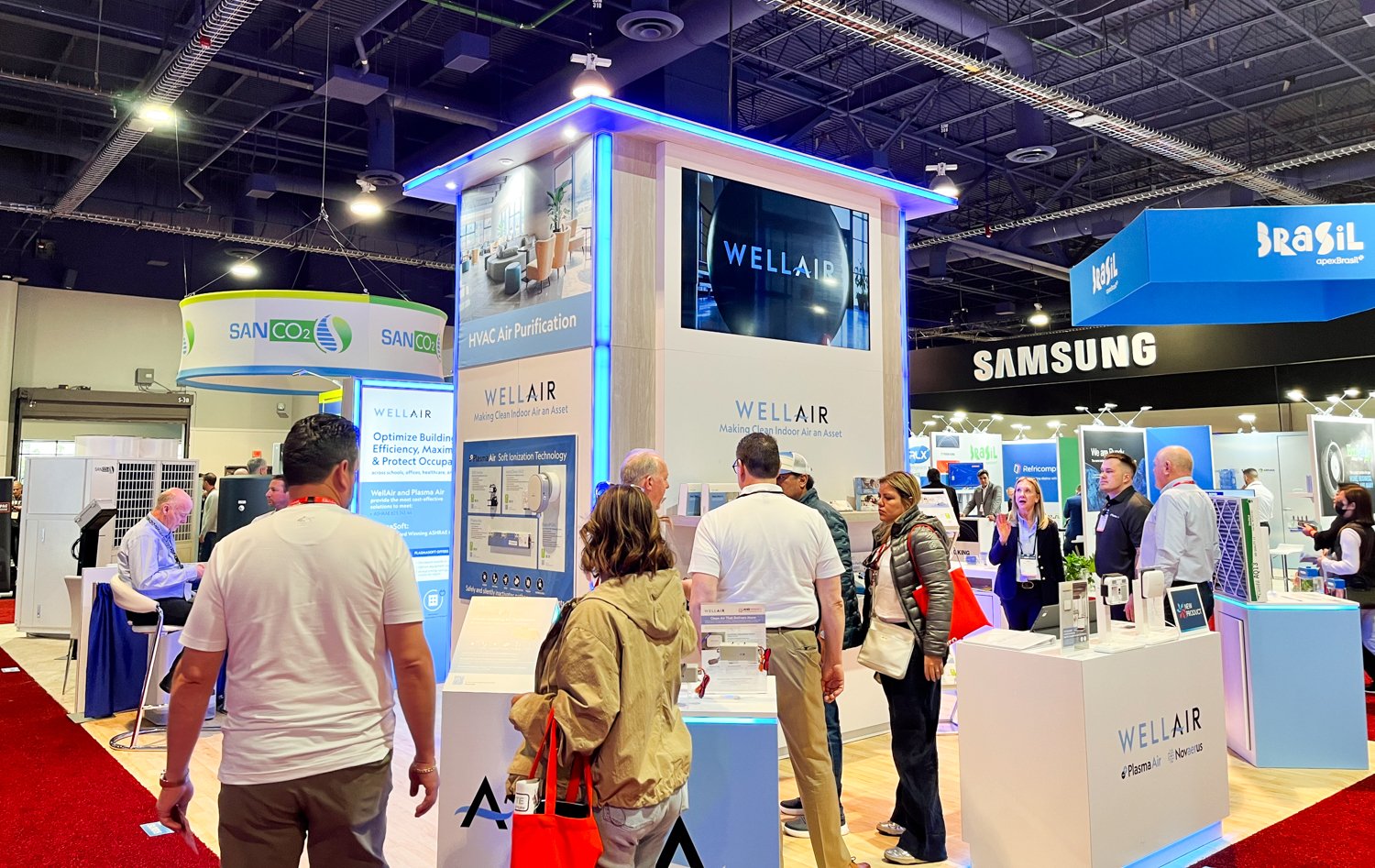
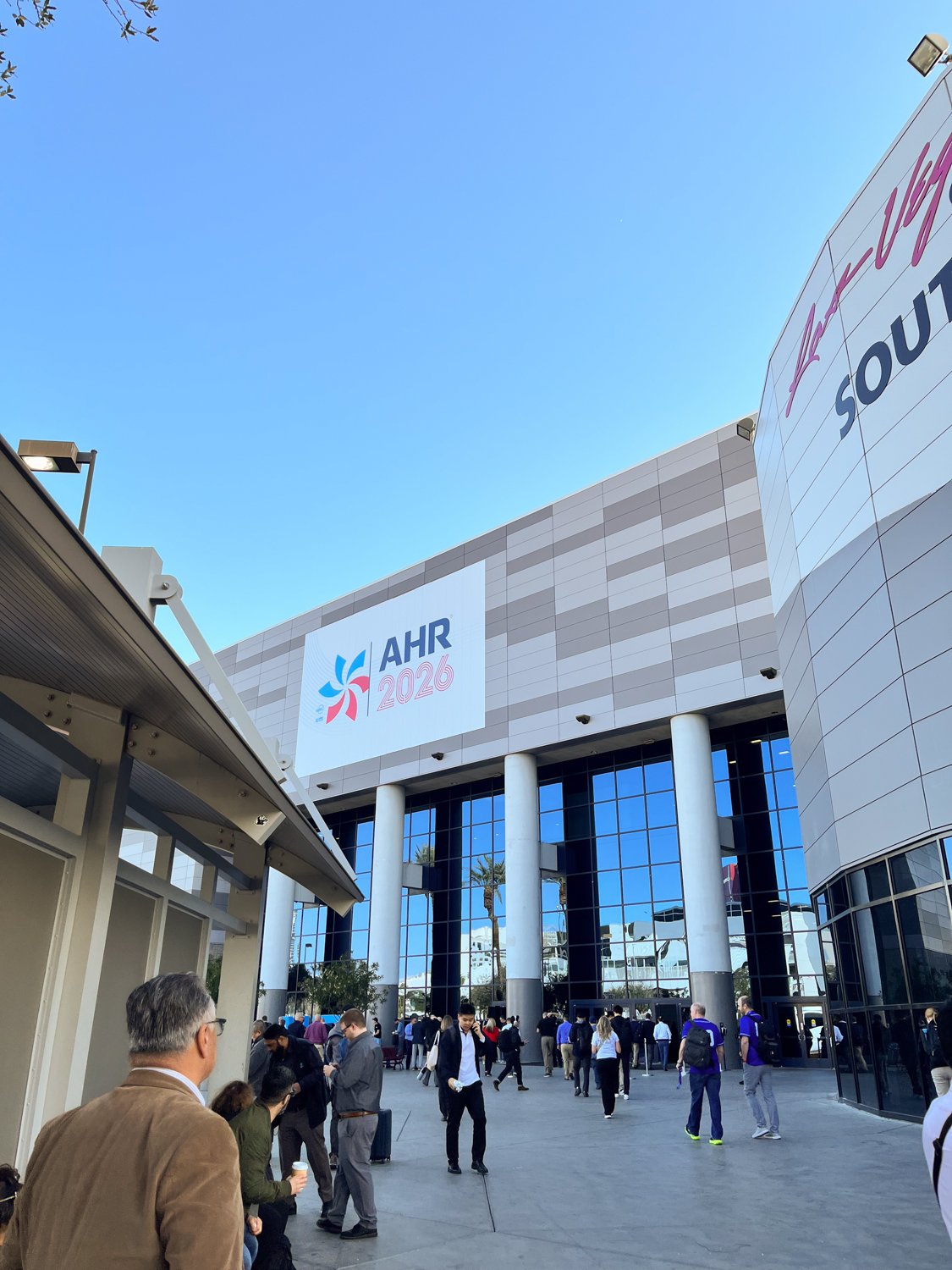
Last year I attended just to take it all in. The scale floored me. And this year’s AHR was no different, bringing together over 53,000 attendees, nearly 2,000 exhibiting companies from 40 countries, and more than half a million square feet of exhibits.
You literally can’t do it all, so I stayed mostly in the Building Automation & Control Showcase area, caught up with companies I’d met before, and even ran into a number of familiar faces from Richmond.
Beyond the spectacle that is AHR, one theme stood out:
This industry doesn’t chase hype. It builds infrastructure responsible for real-world results and outcomes.
In sectors like building automation, controls, and energy systems, innovation looks different than it does in consumer tech. The products on display at AHR power hospitals, data centers, schools, and manufacturing facilities. They have long life cycles. They carry uptime expectations. They operate in regulated environments.
That context shapes how companies innovate.

What I noticed
AI wasn’t the headline. Outcomes were.
I expected more “AI-first” messaging. And while AI is clearly influencing product development across industries, most conversations centered on practical results: better data, clearer insights, energy savings, and operational efficiency. The technology may be sophisticated, but the messaging stayed grounded in performance.
Manufacturing location still matters.
I was encouraged to see established companies headquartered, and manufacturing, here in the U.S. In an industry where reliability and supply chain stability are critical, that carries weight.
Whitelabeling remains a smart entry path.
Several firms continue to enter markets by whitelabeling controllers or sensors before developing their own hardware. It’s a disciplined way to learn from customers and reduce risk before investing heavily in development.
Taken together, these aren’t signals of conservatism. They’re signals of maturity.

In this space, innovation is iterative. Credibility and trust are earned over time and product decisions are made with durability, real-world constraints, and outcomes in mind.
That perspective aligns closely with how we think about enclosure and hardware design. Good design here isn’t about hype. It’s about clarity, reliability, manufacturability, and long-term performance. A product can be beautiful and recognizable while still carrying and maintaining the trust and credibility it has worked hard to build.
Attending AHR is just the beginning. Now comes the follow-up conversations and the work that builds on them.
If we connected in Vegas and you’d like to continue the discussion, I hope you’ll reach out.