
Perfect Swings USA
Perfect Swings USA
Baseball & Softball Training Equipment
Perfect Swings USA develops baseball and softball training equipment informed by years spent playing, coaching, and working directly with hitters.
For SPARK, that creates a different starting point. Rather than assuming the training concept needs to be reimagined, the team focuses on applying the right engineering, material, and manufacturing expertise to elevate a homemade prototype into a cohesive, professional-grade product that looks and feels complete.
Having partnered together for six years (as of 2026), that process has become increasingly efficient, and SPARK has supported the development of numerous successful products for Perfect Swings with more set to hit the market soon.
“SPARK understands what it is that we're looking for, how we're trying to do it, and what we're going to be okay with and what we're not going to be okay with.”
— Dominic Moribito,
(Perfect Swings USA)
LEARNING THE ROPES
For the family-owned company, new products often begin during hitting lessons. Father and son, John and Nick Moribito, work directly with athletes and see the mechanics players struggle with every day. Those observations become ideas for new training tools, which Dominic Moribito– John’s son and Nick’s brother– then begins building and refining himself.
That process can involve 15 or 20 garage prototypes before a concept ever reaches SPARK. By then, Perfect Swings has often established the core functionality, dimensions, and training behavior it wants from the finished product.
Over roughly six years of working together, that process has become increasingly efficient. Co-owner, Dominic Moribito credits much of that to SPARK’s understanding of how Perfect Swings works and what the team is trying to accomplish. As that familiarity has grown, SPARK can more quickly understand the mechanics behind a product and anticipate the types of solutions that will make sense for Perfect Swings.
TRANSLATING MECHANICS
That familiarity extends beyond product development itself.
Dominic does not come from an engineering background, and one thing he says stood out about SPARK was the team’s ability to communicate technical decisions without making the conversation unnecessarily technical. Instead of expecting Perfect Swings to speak the language of engineering, SPARK works to explain the engineering in a way that connects back to what the product needs to accomplish.
That has been particularly valuable when translating the nuances of hitting mechanics into physical products. Dominic says that, over time, SPARK Co-owner Shane Diller has developed a strong understanding of what Perfect Swings is describing when the team explains a particular point in the swing, the problem an athlete is having, and the behavior the product is intended to reinforce.
Today, Perfect Swings continues to develop new training products, drawing on SPARK’s engineering and manufacturing support where it adds value. Dominic estimates the companies have worked together on roughly six products, with several still in development.
““When talking to SPARK, it always feels like a conversation with people who happen to know a lot more about engineering than we do, but they speak to us on our level.””
Perfect Swings USA Product Gallery
Lag Bat
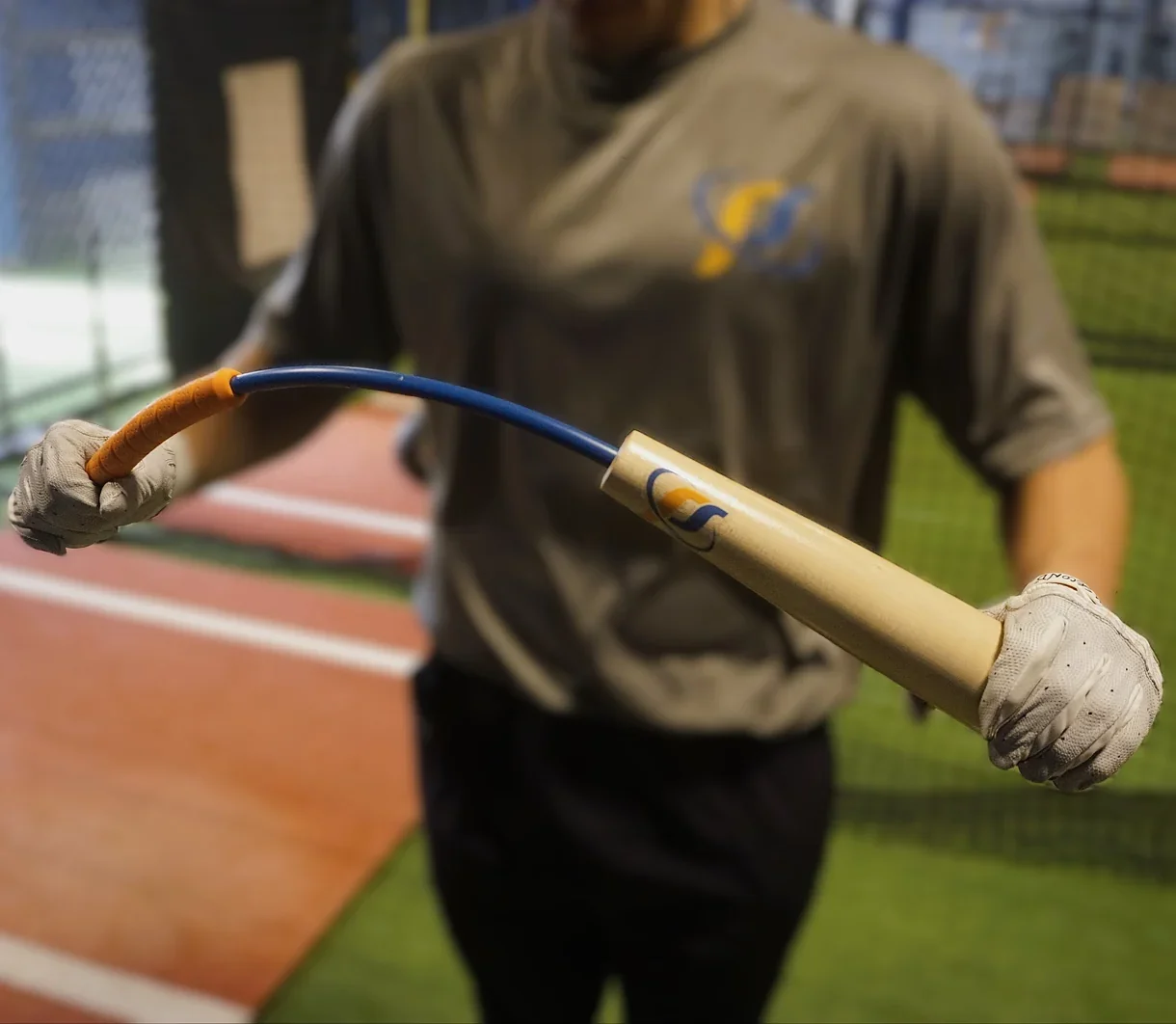
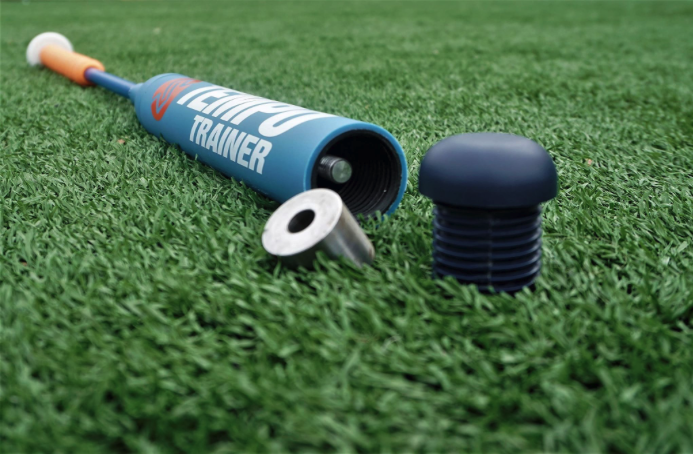
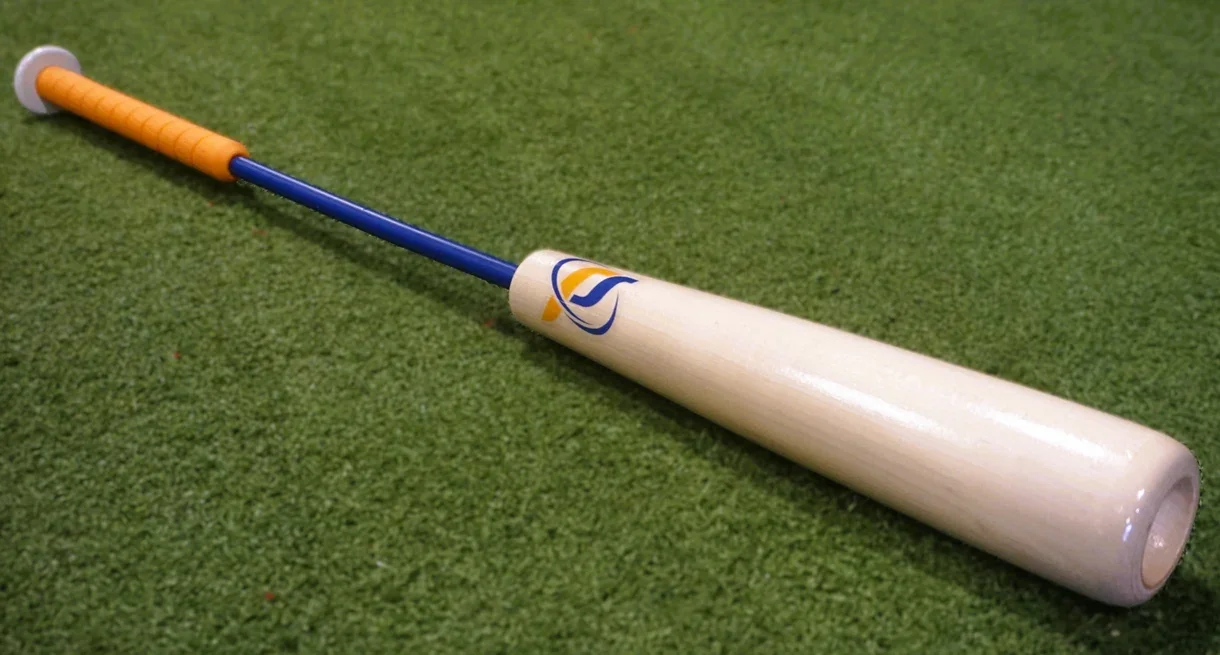
One of Perfect Swings’ earliest projects with SPARK began with the Tempo Trainer, a flexible bat-style training aid designed to provide feedback during a hitter’s swing.
The flexibility was central to the training concept, but the fiberglass rod inside the product was vulnerable to breaking. SPARK developed a new assembly method that better protected the fiberglass component while also simplifying assembly.
That concept has since evolved into the Lag Bat, which retains the flexible-shaft training principle but adds a maple barrel that allows hitters to make contact with real baseballs and softballs. Perfect Swings describes the flexible shaft as providing immediate physical feedback on issues such as casting, releasing the barrel early, and losing control of the swing.
True Connect
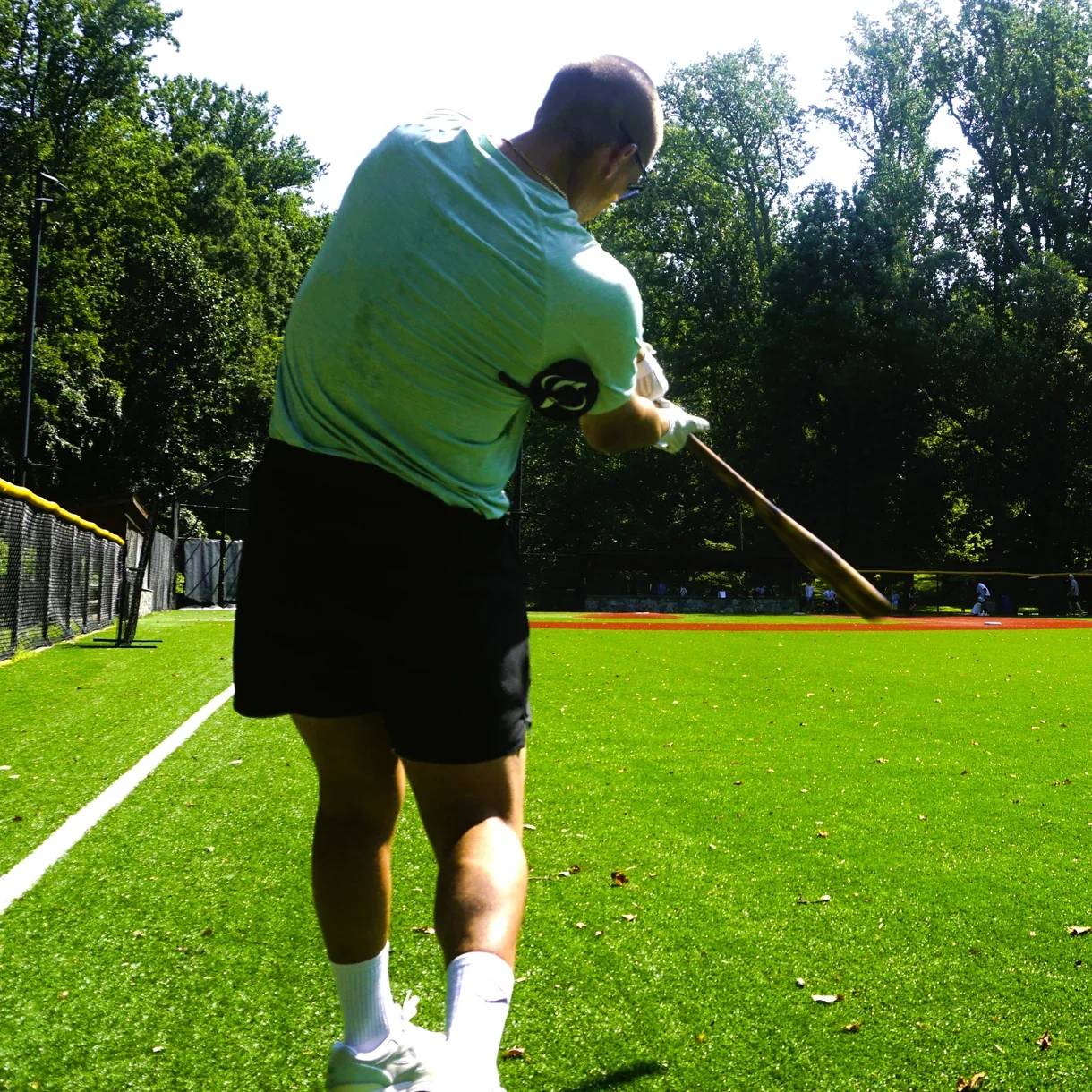
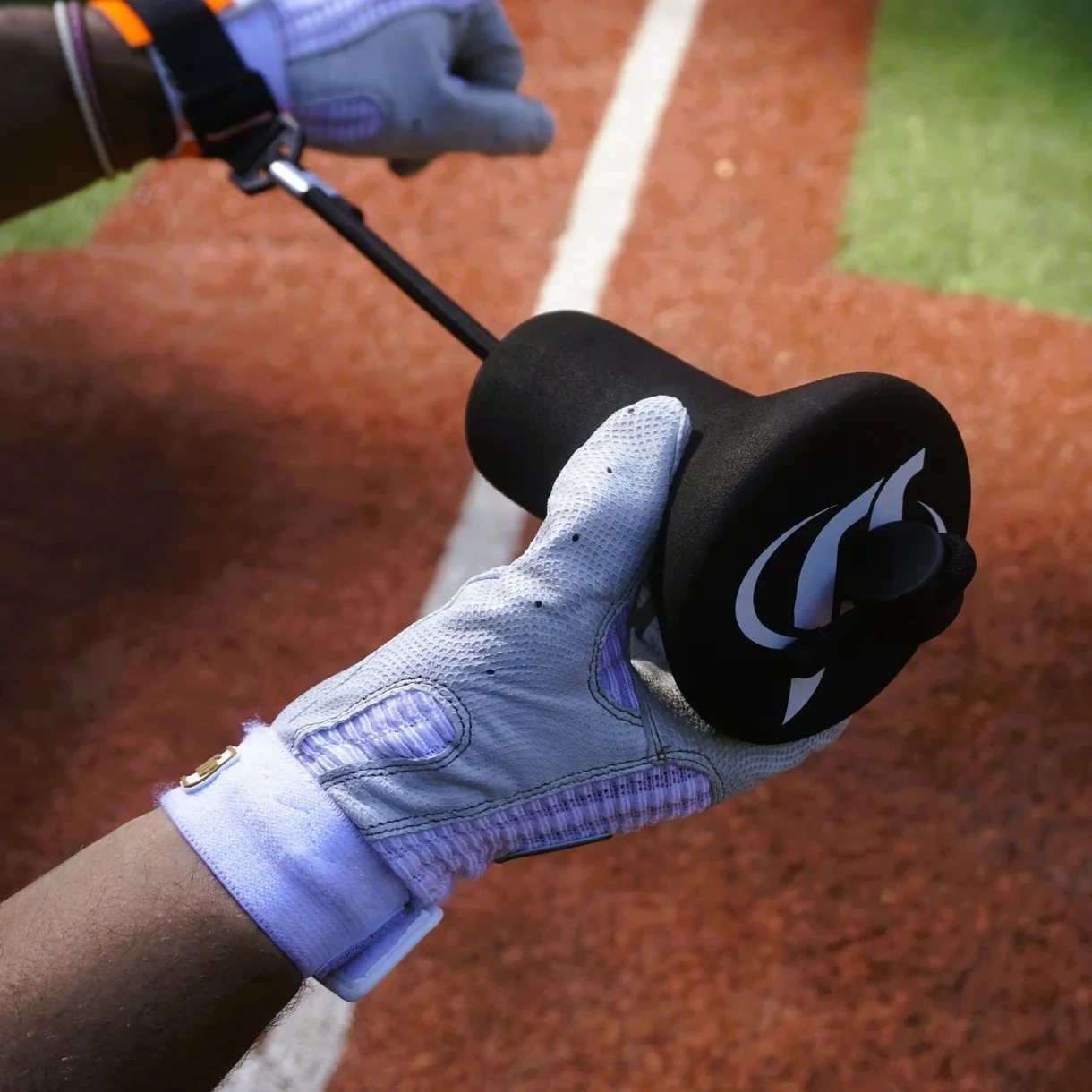
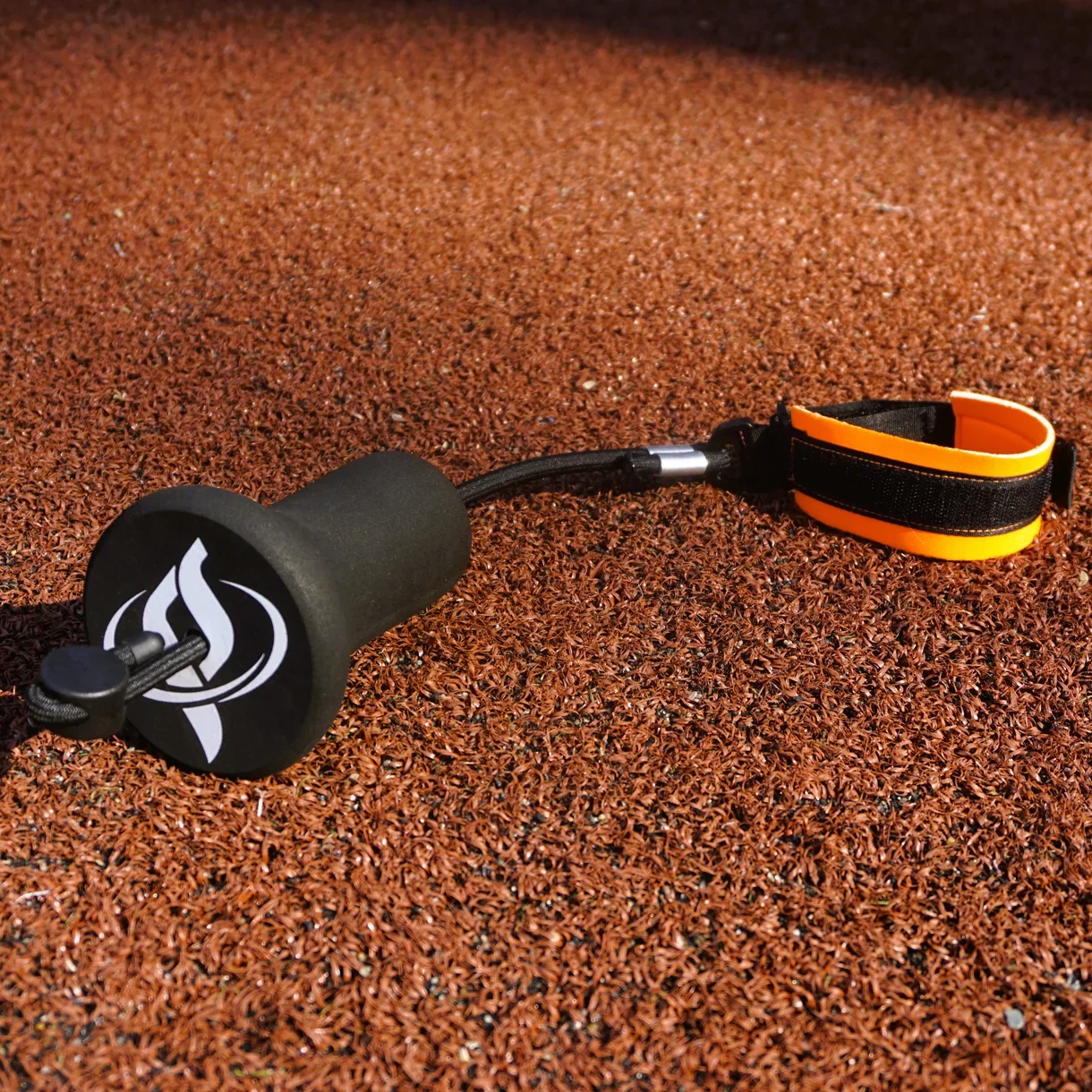
The True Connect tackles a different hitting problem: keeping the hands and arms connected to the body throughout the swing.
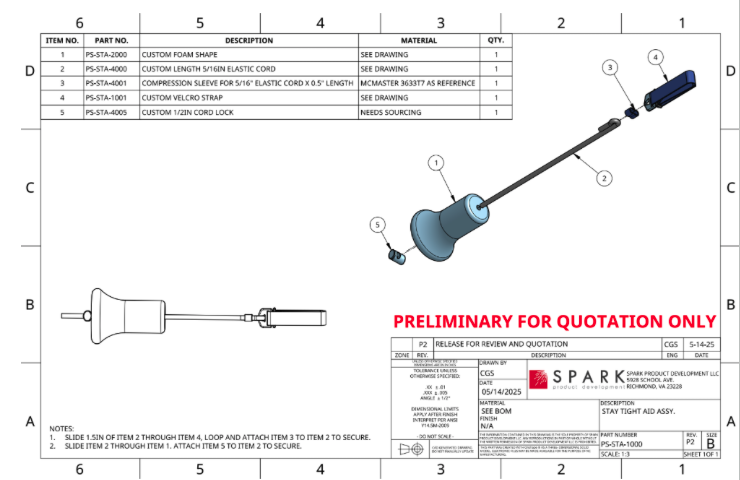
Perfect Swings developed the training aid to address casting, when a hitter’s hands and wrists move away from the body too early. The concept initially began as a rough foam-and-string prototype utilizing an elastic and a wedge behind the armpit to keep a batter's form tight.
Because Perfect Swings brought such a clear vision of the required mechanics, SPARK was able to rapidly translate that rough concept into a polished form and prototype. As an early soft-goods collaboration for SPARK, it perfectly illustrates the team's ability to seamlessly execute key design steps for an expert partner who manages their own manufacturing.
The resulting adjustable tool creates a physical constraint that helps players feel the intended movement and build the muscle memory associated with staying connected.
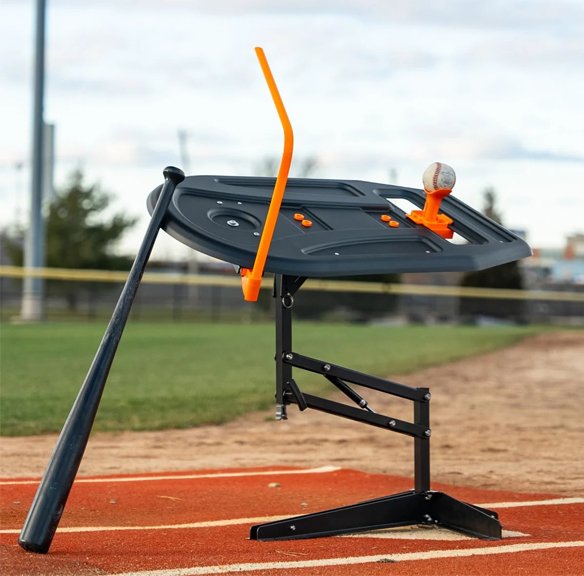
Swing Path Trainer
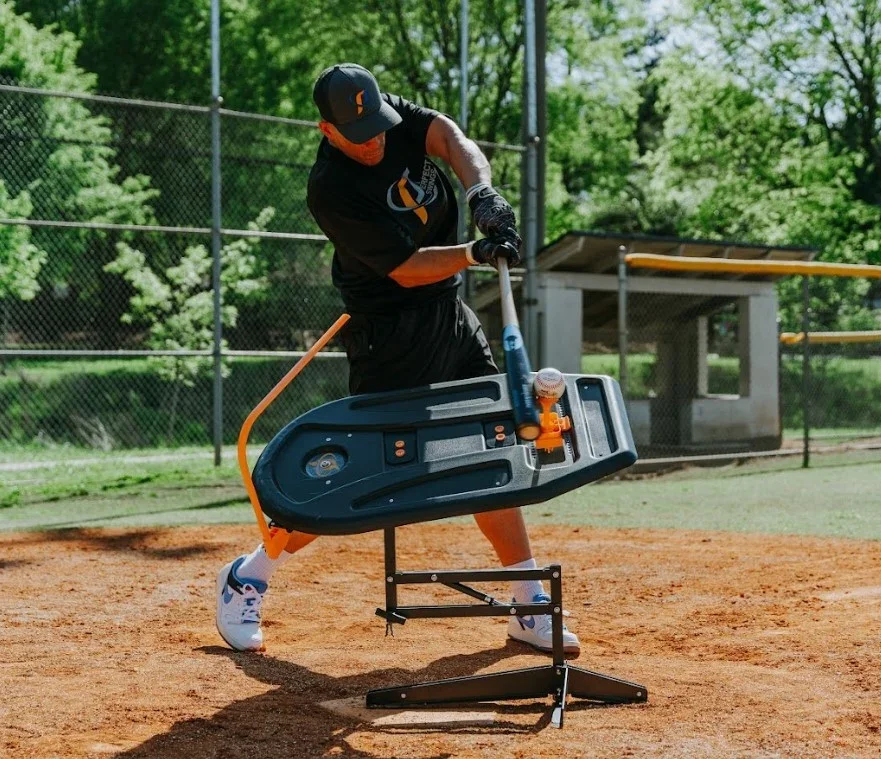
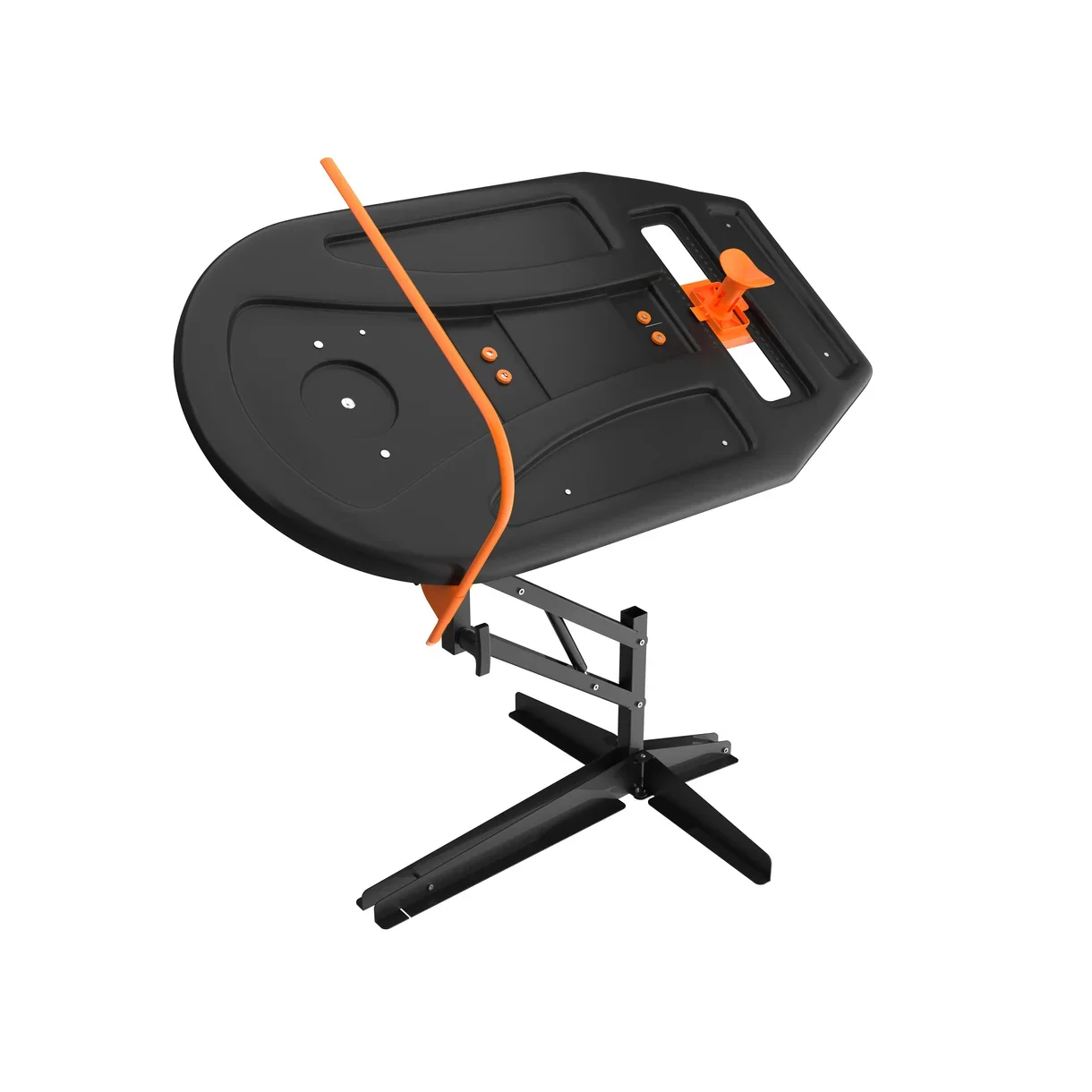
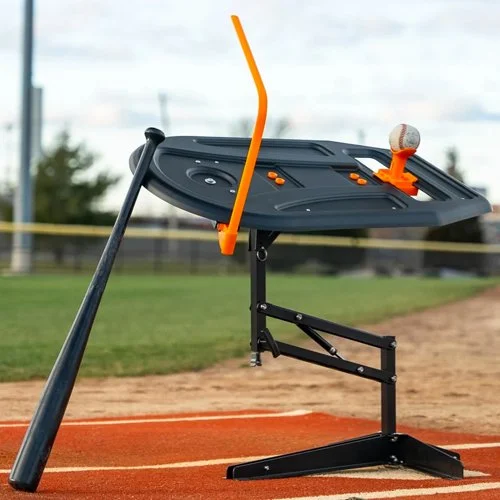
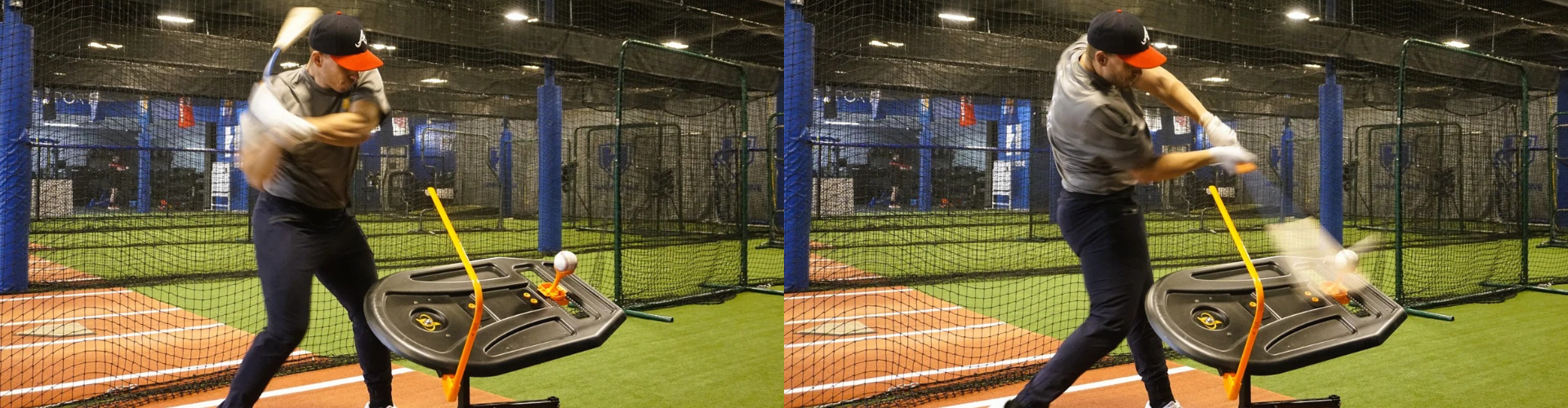
The Swing Path Trainer is designed to give hitters immediate feedback on the path of the bat through the hitting zone. An adjustable guide board creates a physical reference for the swing, helping athletes train different attack angles and recognize when the bat moves outside the intended path.
Its development also illustrates how manufacturing decisions can change as a product is refined. The guide board needed to withstand the repeated impact inherent to the training concept, leading to extensive evaluation of materials and manufacturing approaches. The current version uses a polycarbonate guide board designed to withstand direct contact and disperse impact through the board.
A separate manufacturing decision on the product also became an important moment in the relationship. When Perfect Swings asked SPARK to review a component that had been conceived as molded plastic, SPARK recognized that the same functionality could be achieved in sheet metal. This modification avoided an estimated $50,000 in upfront tooling.