Thirty years of sheet metal expertise, now on your side of the table.

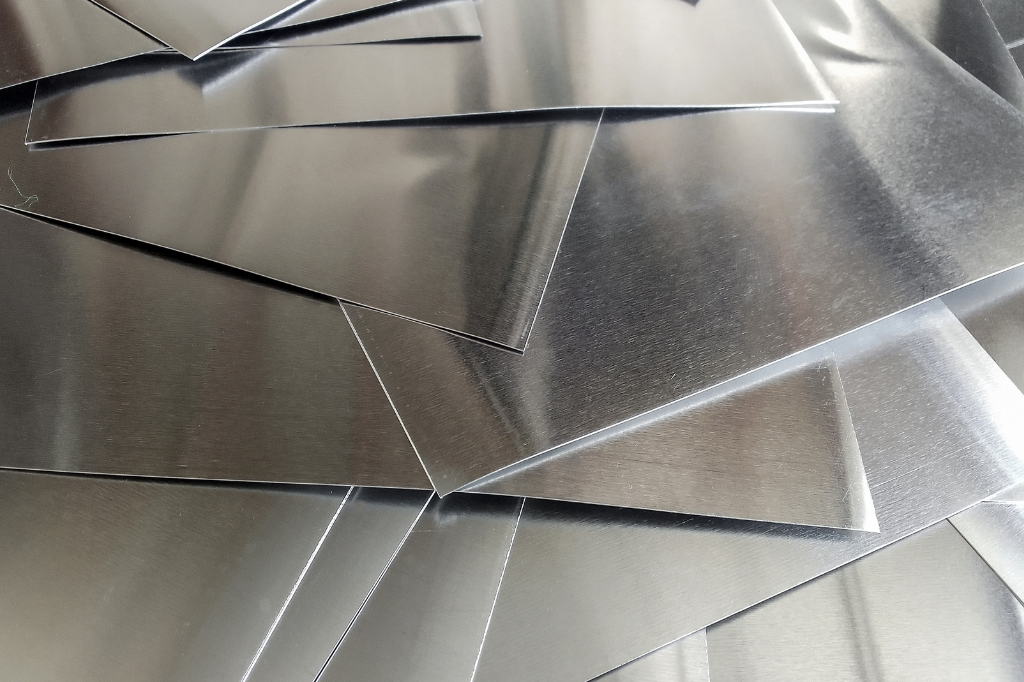
Success in the sheet metal space requires knowing what makes a design manufacturable across real-world vendors, materials, tooling, and processes.

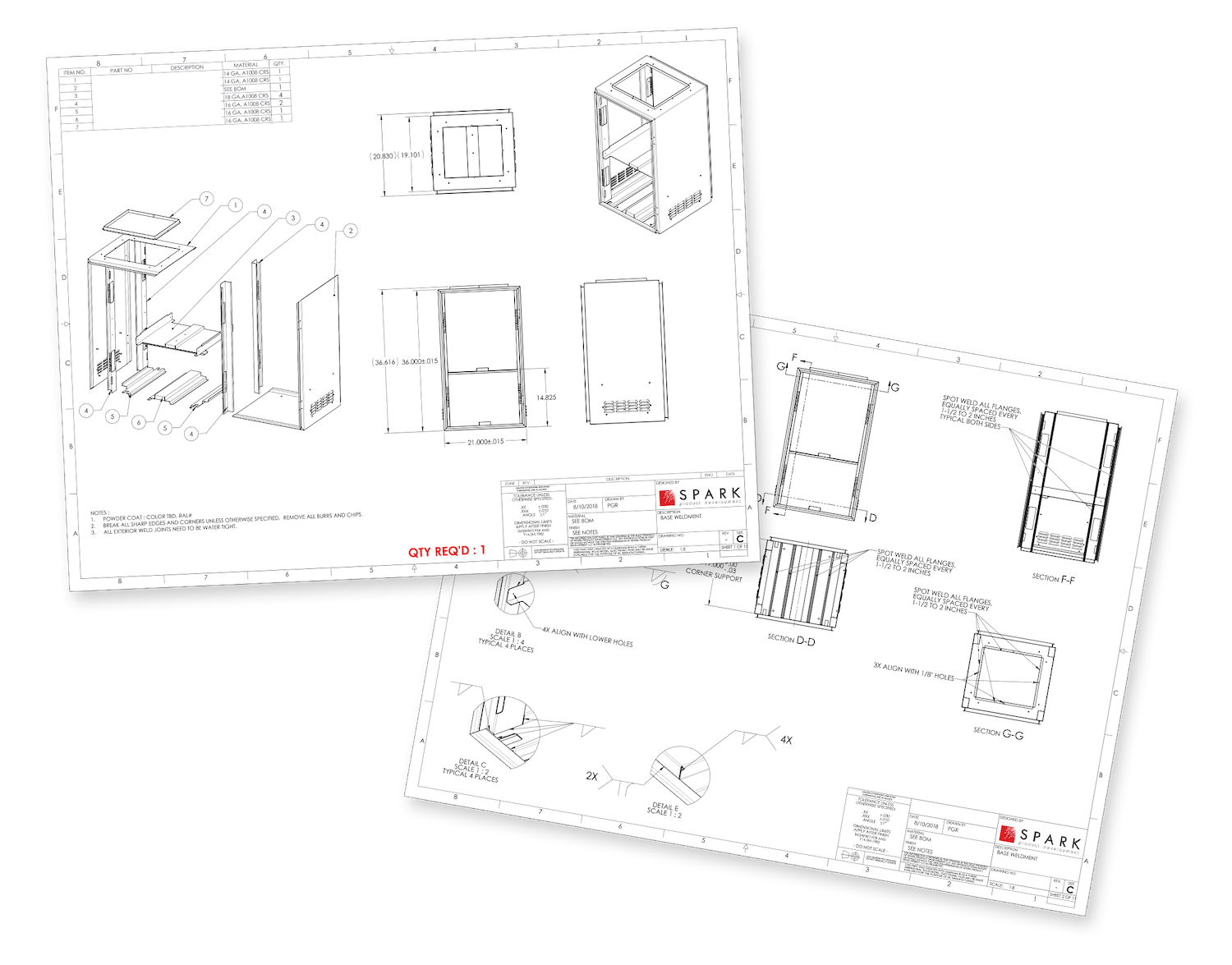
SPARK’s experience on the shop floor helps teams design sheet metal products (enclosures, assemblies, and components) that fabricators can actually manufacture, consistently and cost effectively.

With a focus on: 

  • Design for manufacturing reviews 

  • Build-ready documentation

  • Creating products that are easier to manufacture, assemble, and scale

Sheet metal problems we help solve

Many of the clients who come to us aren't sure what's wrong, they just know something keeps going sideways. Timelines slip, costs surprise them, vendors can't seem to give them a straight answer. Some of the following may sound familiar.

"We're always behind and I can't figure out where it's happening."

Most schedule problems are set in motion weeks or months earlier, during design, before manufacturing ever starts. By the time the delay is visible, the window to fix it without blowing the schedule is usually already gone.

Read: Why Sheet Metal Is Almost Always What's Holding Up Your Project


“FABRICATORS WON’T QUOTE THE JOB. OR EVERYONE QUOTES SOMETHING DIFFERENT.”

You send the same project to four shops. Two don't respond. The other two come back with numbers so different you don't know which one to trust. Inconsistent quotes almost always point back to the same thing: ambiguity in the design that every shop is interpreting differently.

Read: Why Fabricators No-Quote Projects (And What They’re Trying to Tell You)


“Everyone approved the design, but it still doesn’t work.”

The drawings went through review, everyone approved them, and it still didn't work — parts that don't fit, an assembly that doesn't come together, or problems nobody caught until it was too late to catch them cheaply. This happens when the review process looks at individual components, while overlooking critical interfaces and system interactions.

Read: When Every Component Is Right and the Assembly Still Fails


“We’re growing faster than our operation and processes can support."

What worked when you had one location and a few people who just knew how things were done doesn't scale. Opening a second facility doesn't just multiply your output; it multiplies every undocumented process, every informal workaround, every assumption that was never written down. 

Read: What Happens When Manufacturing Knowledge Doesn’t Scale

What our clients & suppliers say

“All the engineers I work with are brilliant and the things they are designing are so incredibly complex that it’s difficult to fathom, but sheet metal design isn’t booksmart, it's practical and you can’t learn those things without getting the feedback from the vendor (...) and SPARK has this quality in spades.”

— Brent Frey, Director of Sales at EVS Metal


“SPARK has brought a different perspective to what we’re doing. They don’t just look at an individual piece, they help us think about how everything works together.”

— Margaret Shaia, CEO at Acoustical Sheetmetal Company

SPARK’s sheet metal capabilities


Product & Enclosure Design

  • Electrical enclosures and cabinets

  • Sheet metal assemblies

  • Brackets, chassis, and structural components

  • Industrial equipment

  • Mission-critical infrastructure products


Engineering & Documentation

  • 3D CAD modeling

  • Fabrication-ready drawings

  • Thoughtful tolerancing to optimize cost

  • Design documentation


Design for Manufacturing

  • DFM reviews

  • Fabrication feasibility assessments

  • Vendor collaboration

  • Cost reduction opportunities

  • Tolerance optimization


Production & Integration Support

  • Assembly reviews

  • Production troubleshooting

  • Vendor procurement & communications for customers

  • Design refinement

  • Engineering overflow support

  • Cross-functional problem solving


Case studies


Scaling engineering across facilities

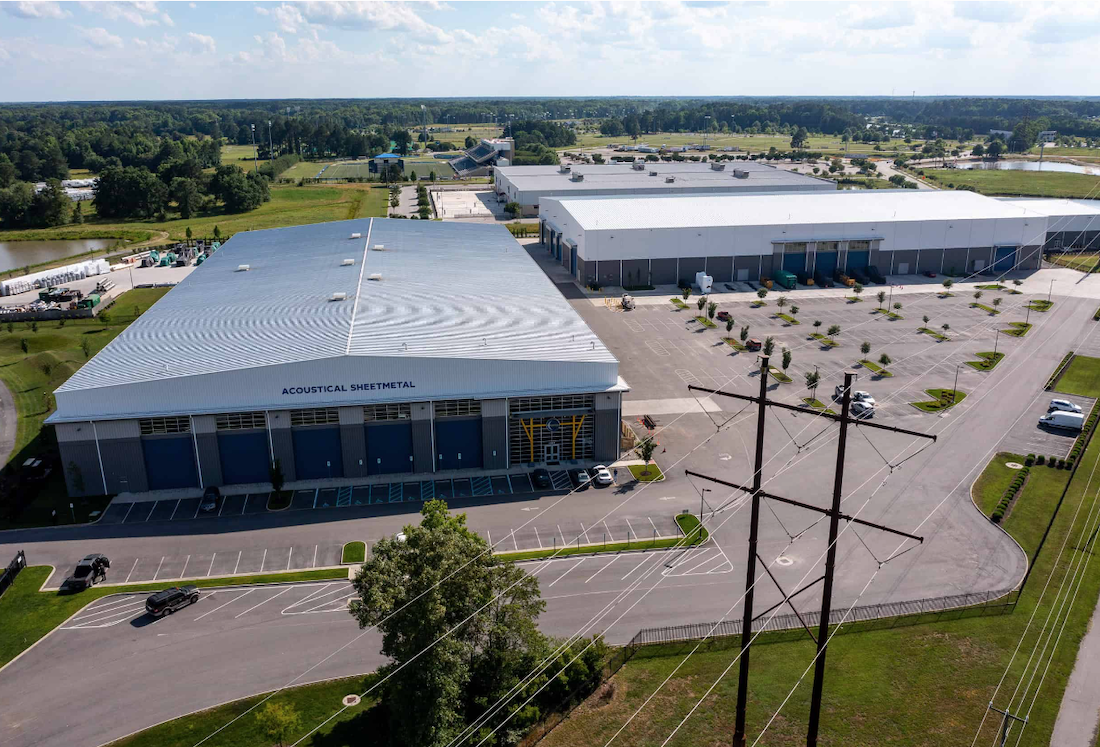
As Acoustical Sheetmetal expanded operations across multiple locations, engineering consistency became increasingly important. SPARK helped the team evaluate how engineering information moved through the organization, identify opportunities to improve documentation, and think beyond individual components to the full assembly.

Focus areas:

  • Assembly reviews

  • Engineering processes

  • Documentation

  • Scaling production

““We’ve been very pleased with SPARK. They’ve been able to come in and really look at our process and help us think through how we move engineering information through the organization. As we’ve grown, that’s been incredibly valuable. We’re going to be building the same units in possibly three different places. If you don’t have your drawings right, you’re just repeating the same mistakes.””
— Margaret Shaia, CEO at Acoustical Sheetmetal Company

Additional Capacity for Specialized Engineering Work

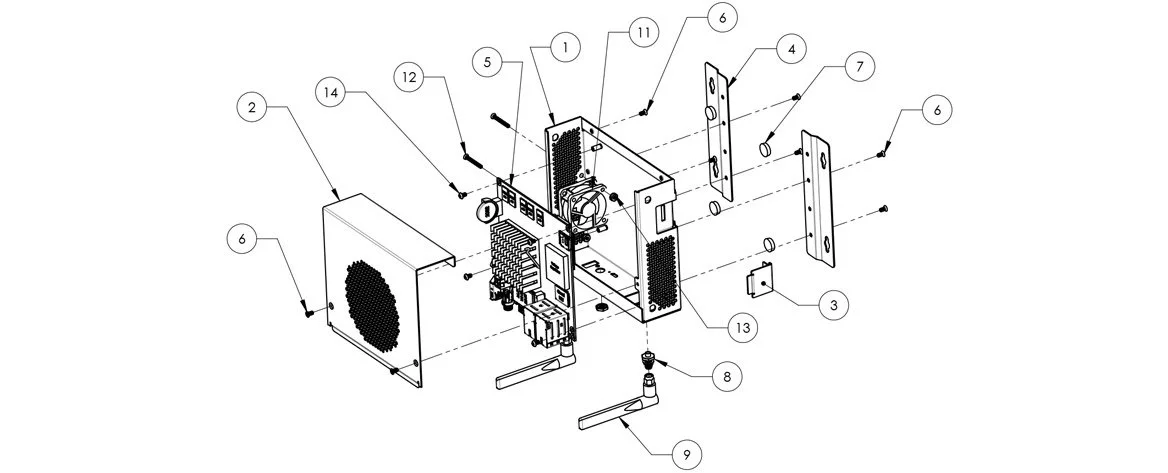
Silicom partnered with SPARK to supplement its internal engineering resources, relying on the team for responsiveness, communication, and practical support when additional expertise was needed.

Read more about SPARK’s work with Silicom

Focus areas:

  • Engineering support

  • Hardware development

  • Team augmentation

  • Responsiveness

““Everything fits on paper, design in SolidWorks of course it works, but that does not mean it is going to work on the floor. I have been lucky enough, as I like to get dirty, and so I have spent some time on the floor, something SPARK engineers have been lucky enough to experience as well.” ”
— Bill Barron, Senior Mechanical Engineer, Silicom Ltd.
“Paul added to this by saying that it was “easy to communicate with SPARK (...) as well as the speed in which they can crank things out and get back to us.””
— Paul McFall, CTO and Engineering Manager of Edge Networking Division, Silicom Ltd.
 

Who we help


engineering leaders

When your team has more work than capacity, limited sheet metal expertise, or recurring manufacturability issues, SPARK can support concept development, detailed design, DFM review, and fabrication-ready documentation.


operations and manufacturing teams

When shop-floor feedback, rework, or assembly problems keep surfacing, SPARK can help identify where design, documentation, or process changes would reduce friction.


mechanical engineers and product designers

When you need another experienced set of eyes on a design, SPARK can help review tolerances, drawings, bend logic, assembly interfaces, and fabrication feasibility before the design goes out.


founders or executives at growing manufacturers

When growth is exposing process gaps, tribal knowledge, or overextended internal teams, SPARK can help turn engineering knowledge into clearer, more repeatable systems.


product managers

When product requirements, cost targets, installation needs, and manufacturing constraints all have to work together, SPARK can help translate those competing needs into a design that can move forward.


Why SPARK?

Decades of hands-on sheet metal expertise means…


Faster quoting and fewer clarification loops


Less rework and fewer “surprises” late in the schedule


More predictable cost and lead time


Better collaboration between engineering and fabrication partners


There are plenty of firms that can model a part. What makes SPARK different is the perspective and hands-on experience we bring to the work.

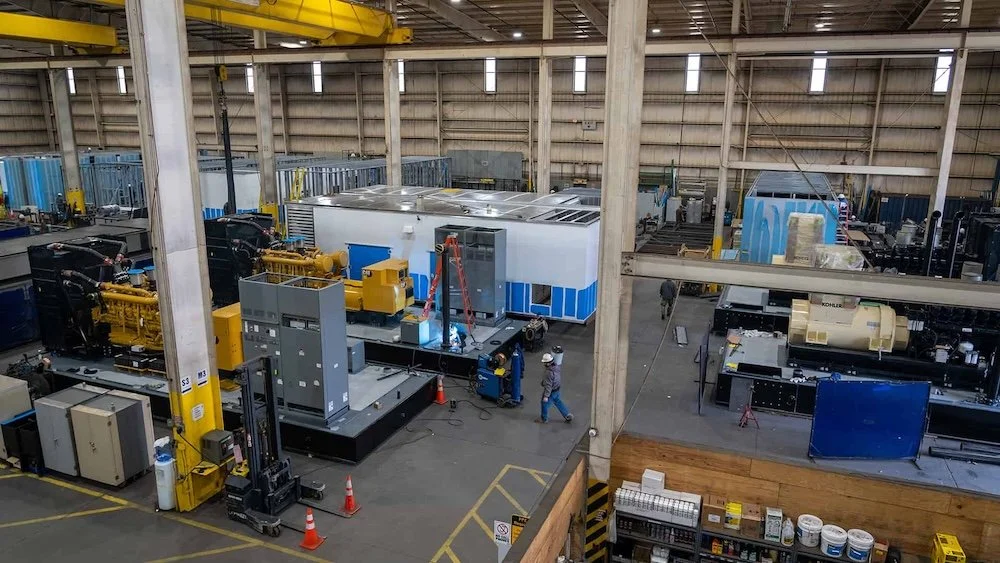
We know enough to design for the realities of the shop floor – the ones you’re only aware of if you’ve spent time there.

We think about:

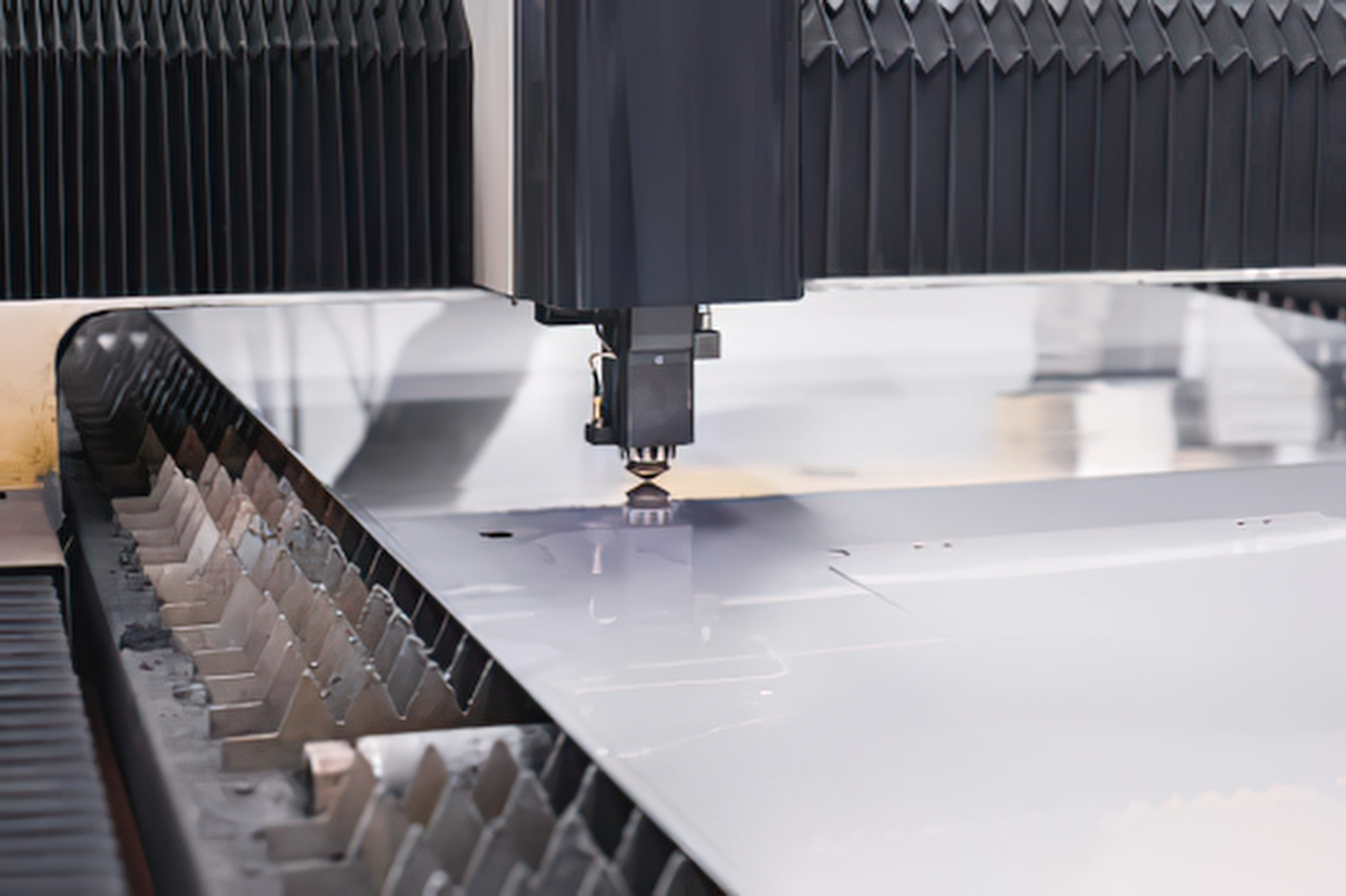
  • the programmer creating the flat pattern,

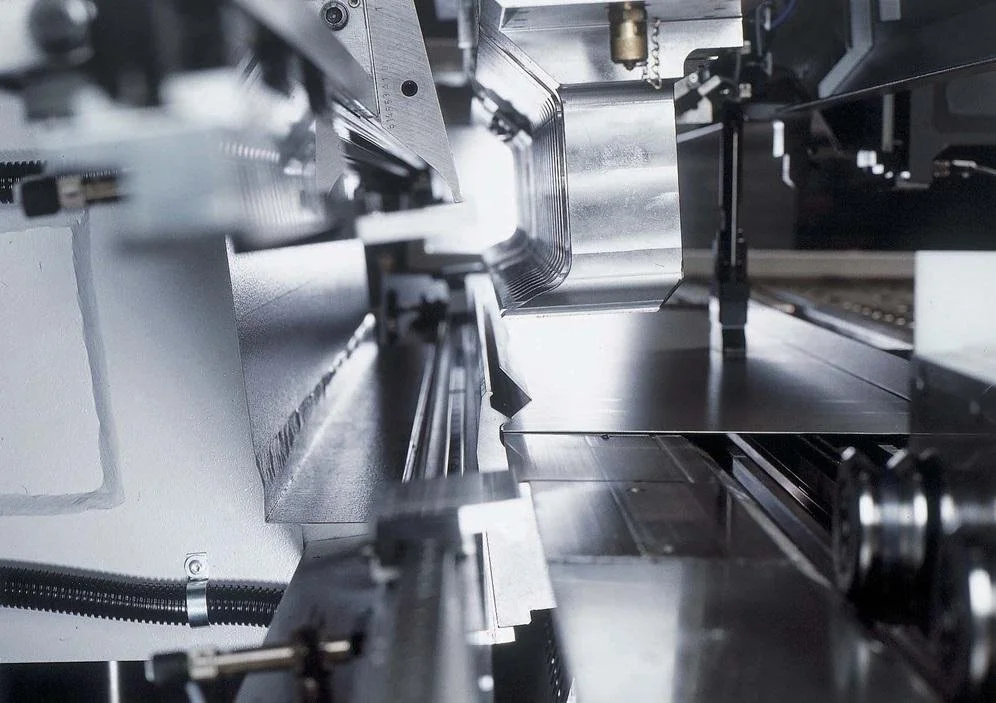
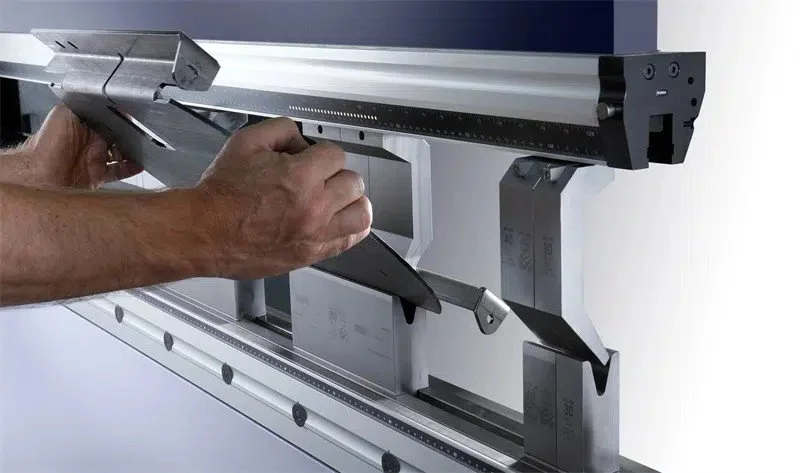
  • the operator setting up and running the press brake,

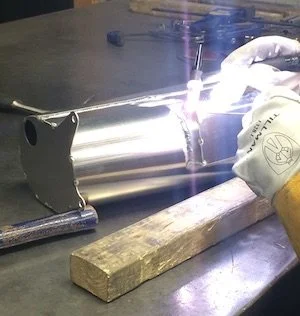
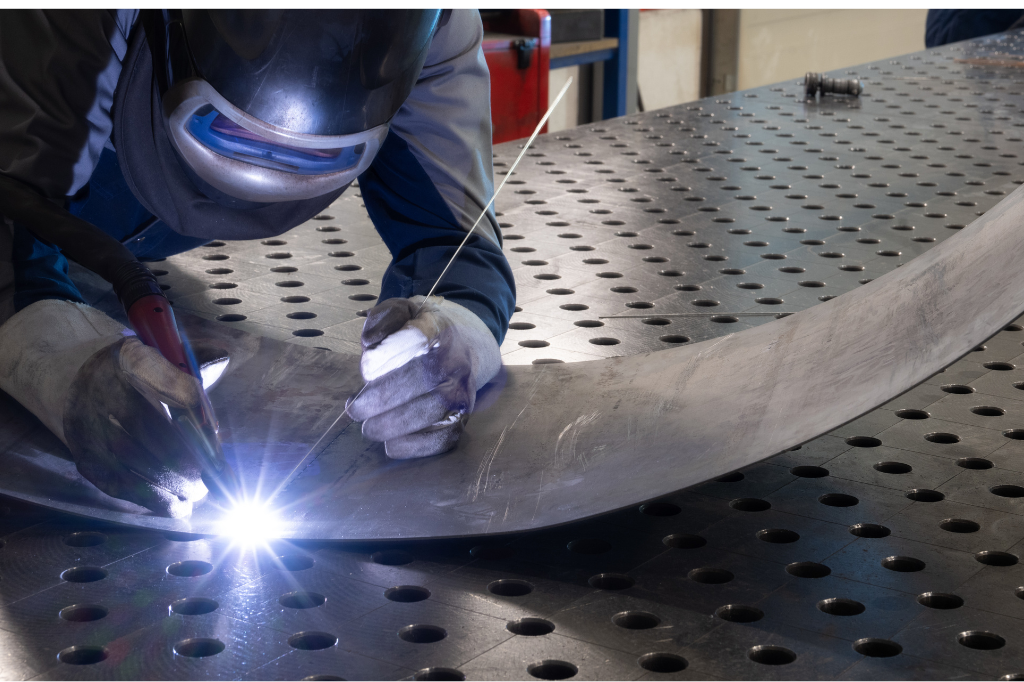
  • the welder or assembler bringing the product together,

  • the technician servicing it in the field,

  • and the teams responsible for scaling production over time.

How we think about sheet metal


“CAD is not the shop floor.”

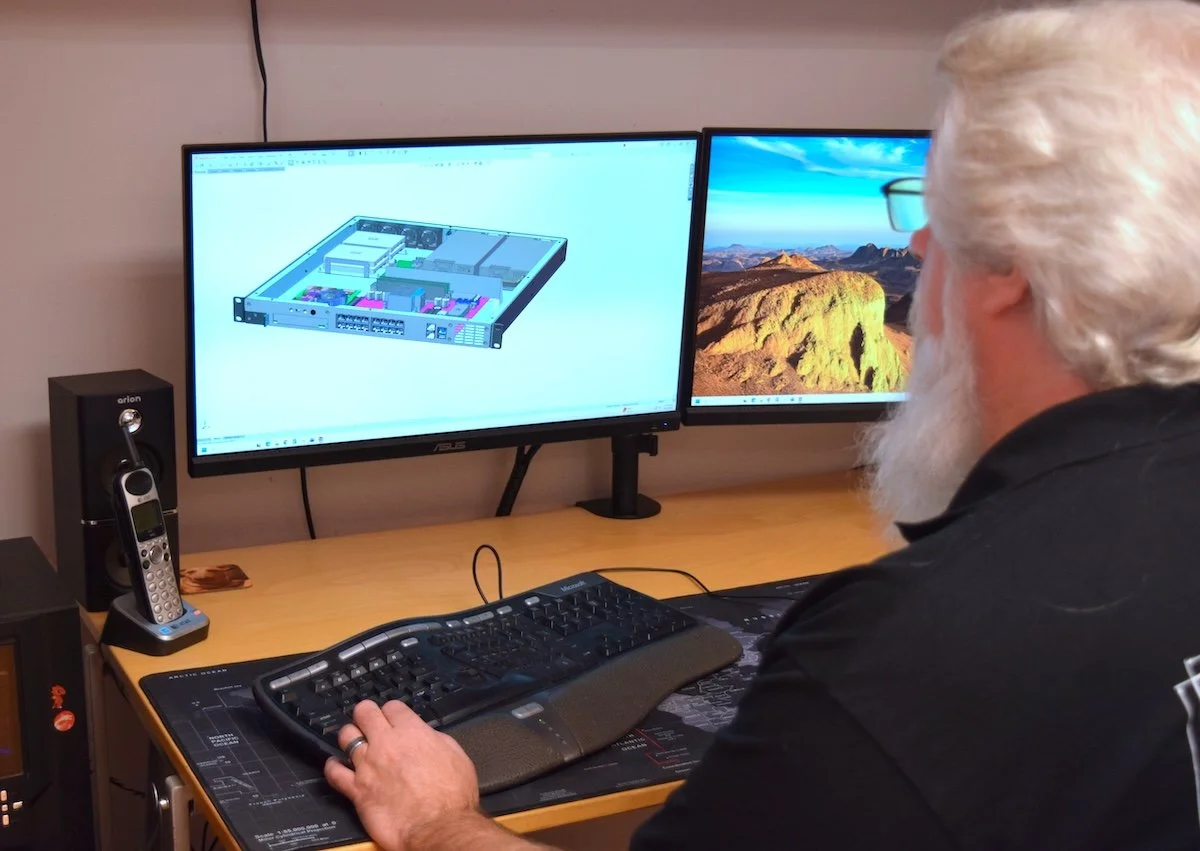
Digital models are incredibly powerful, but they don’t tell the whole story. Material variation, tooling limitations, assembly interactions, and production realities all influence how a part behaves once it leaves the screen. Nobody thinks much about those factors when everything is working. They become impossible to ignore when something doesn’t fit, assemble, or ship on schedule.


“Ambiguous prints are not flexible. They are risky.”

When key details are missing or left open to interpretation, every vendor is forced to guess at your “true” design intent. One supplier may build in extra cost to account for uncertainty. Another may quietly make assumptions and move forward. The result is inconsistent quotes, unpredictable outcomes, and designs that become dependent on institutional knowledge instead of clear documentation.


“Tolerances should match real capability (and measurement reality).”

More precision isn’t always better. Over-specified tolerances can increase cost, limit supplier options, and create inspection requirements that don’t add value. The goal isn’t to make every feature as precise as possible; It’s to apply tight tolerances where they matter most and give manufacturing room to produce repeatable, cost-effective parts everywhere else.


“Bend behavior is dynamic.”

A bend radius isn’t a static software default. It’s the result of material thickness, material properties, tooling selection, and setup conditions coming together at the press brake. Designs that ignore those variables often require adjustments on the shop floor. Designs that account for them are more predictable, repeatable, and easier to manufacture.

Let’s talk sheet metal

Developing a new product?
Troubleshooting an existing design?
Looking for a 3rd party gut check?

We’re Happy to Help (and clearly it’s a favorite topic of ours).